
How does intelligent test automation reduce failures?
Modern software development requires speed, accuracy, and reliability. As applications become more complex, traditional testing methods often struggle to identify problems quickly. This is where self-healing test automation helps organizations create stronger testing processes by automatically adapting to changes and reducing unexpected failures. Intelligent automation does more than simply run test cases; it learns from testing patterns, identifies risks, and improves the overall quality of software.
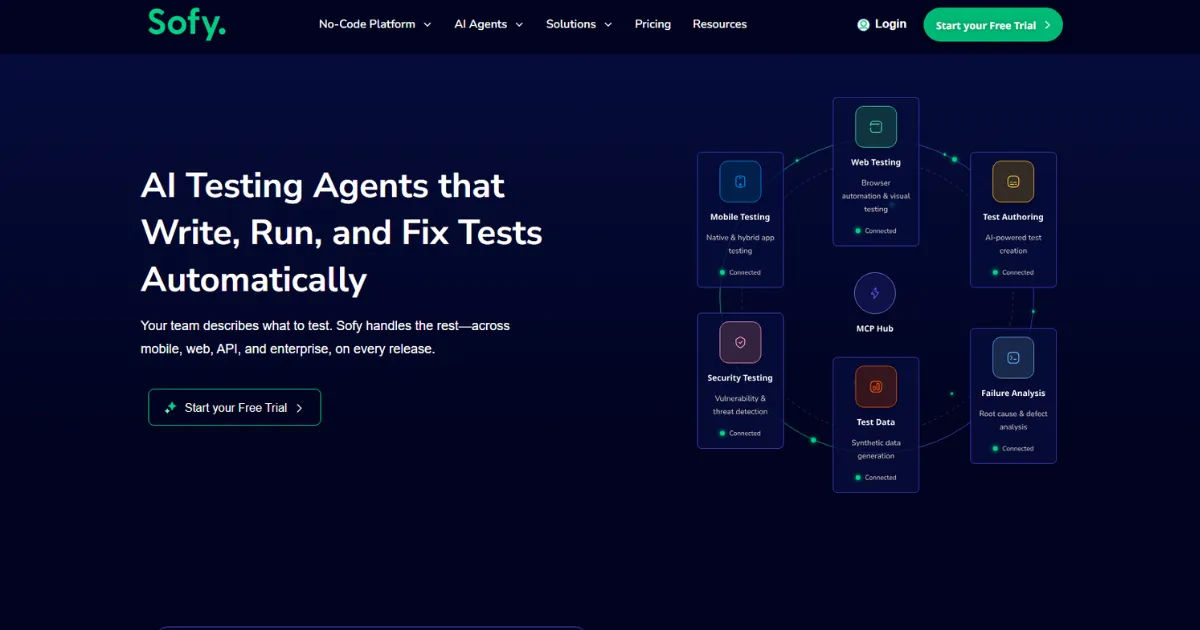
Software failures can damage customer trust, increase development costs, and delay product releases. Intelligent test automation reduces these problems by detecting issues earlier, improving test accuracy, and minimizing repetitive manual work. It allows development teams to focus on creating better software while automated systems handle complex testing tasks.
Intelligent Test Automation
Intelligent test automation combines traditional automated testing with advanced technologies such as artificial intelligence, machine learning, and data analysis. Unlike basic automation tools that follow fixed instructions, intelligent systems can analyze information, recognize patterns, and make decisions based on previous testing results.
Traditional automation depends heavily on predefined scripts. If a small change is made to an application, the test script may fail even when the software works correctly. This creates unnecessary maintenance work for testing teams.
Intelligent automation solves this challenge by understanding application behavior instead of depending only on fixed commands. It can identify changes in user interfaces, workflows, and system responses. This makes testing more flexible and reliable.
Why Software Failures Happen During Development
Software failures can occur for many reasons. A small coding mistake, incorrect configuration, security weakness, or compatibility issue can create serious problems for users.
One major reason for failures is the rapid pace of software updates. Companies often release new features frequently to meet customer expectations. However, quick changes can introduce unexpected errors if testing is incomplete.
Another challenge is the increasing complexity of modern applications. A single application may connect with databases, payment systems, third-party services, and multiple devices. Testing every possible situation manually becomes difficult and time-consuming.
Poor test maintenance is also a common problem. When application elements change, old automated scripts may stop working. This creates false failures and slows down the testing process.
The Role of Self-Healing Test Automation in Reducing Failures
Self-healing test automation reduces failures by allowing testing systems to automatically adjust when application changes occur. Instead of completely breaking when a button moves or a page layout changes, self-healing technology can recognize the updated element and continue testing.
For example, imagine a website has a login button that changes its location or name after a redesign. A traditional test script may fail because it cannot find the original button. A self-healing system can analyze the new interface, identify the correct element, and update the test process automatically.
This ability reduces unnecessary failures caused by minor changes. It also saves testers valuable time because they do not need to manually repair every broken script.
Improving Test Accuracy Through Intelligent Analysis
One of the biggest advantages of intelligent automation is improved accuracy. Human testers can make mistakes, especially when performing repetitive tasks. Intelligent systems can execute thousands of test cases consistently without becoming tired or distracted.
Machine learning algorithms analyze previous testing data to identify common failure patterns. They can predict which areas of an application are more likely to contain problems and prioritize those tests.
For example, if a payment feature has caused errors in previous releases, intelligent automation can increase testing attention on that area. This helps teams discover important issues before customers experience them.
Faster Detection of Software Problems
Finding problems early is one of the most effective ways to reduce failures. Intelligent automation continuously monitors applications and identifies defects during different development stages.
Early detection prevents small issues from becoming major problems. A bug discovered during initial development is usually easier and cheaper to fix than a problem found after release.
Automated systems can perform regression testing, performance testing, and security testing much faster than manual methods. This allows teams to receive immediate feedback and make improvements quickly.
Reducing Maintenance Problems
Test maintenance is one of the biggest challenges in automated testing. Applications constantly change, and outdated scripts can create false failures.
Self-healing test automation reduces maintenance requirements by automatically adjusting test scripts when changes are detected. Instead of rewriting large numbers of tests after every update, teams can rely on intelligent systems to handle many adjustments.
This creates a more stable testing environment and allows developers and testers to spend more time improving software quality rather than repairing automation scripts.
Enhancing Continuous Testing Practices
Many organizations use continuous integration and continuous delivery practices to release software faster. Continuous testing is an important part of this process because it ensures that every update is checked before reaching users.
Intelligent automation supports continuous testing by running tests automatically whenever changes are introduced. It provides quick results and helps teams identify whether new code creates problems.
Because intelligent systems can adapt to changes, they are especially useful in fast-moving development environments where applications are updated frequently.
Better Resource Management for Testing Teams
Testing teams often have limited time and resources. Manual testing requires significant effort, especially for large applications with many features.
Intelligent automation allows teams to use their resources more effectively. Automated systems handle repetitive tests while human testers focus on more complex tasks that require creativity and decision-making.
This combination of human expertise and automation creates a stronger testing approach. Testers can spend more time exploring user experiences, security concerns, and advanced scenarios.
Improving User Experience and Software Quality
The ultimate goal of testing is to provide users with reliable and high-quality software. Application failures can lead to frustration, negative reviews, and loss of customers.
Intelligent automation helps prevent these issues by identifying defects before software reaches users. It ensures that important features work correctly across different devices, browsers, and environments.
When software performs consistently, users gain more confidence in the product. Better quality also improves the reputation of the company behind the application.
Challenges of Implementing Intelligent Test Automation
Although intelligent automation provides many benefits, organizations may face challenges during implementation. Setting up advanced testing systems requires proper planning, skilled professionals, and suitable tools.
Some teams may need time to understand how artificial intelligence and machine learning work within testing environments. Training and investment are often necessary to achieve successful results.
Another challenge is choosing the right automation solution. Different applications have different testing requirements, so companies must select tools that match their goals and technical needs.
Despite these challenges, the long-term benefits usually outweigh the initial effort. Reduced failures, faster testing, and improved software quality make intelligent automation a valuable investment.
Best Practices for Using Intelligent Test Automation
Organizations should follow several practices to get the best results from intelligent automation.
First, teams should clearly define their testing goals. Understanding which areas need improvement helps select the right automation approach.
Second, testing data should be managed properly. Intelligent systems depend on accurate information to learn and make better decisions.
Third, human involvement should remain part of the process. Automation improves testing, but human judgment is still necessary for complex situations.
Finally, companies should regularly review and improve their automation strategies. Technology continues to evolve, and testing methods should improve with it.
Future of Intelligent Testing
The future of software testing will continue moving toward smarter and more adaptive solutions. Artificial intelligence will become increasingly important in identifying risks, predicting failures, and improving testing efficiency.
Self-healing test automation will continue developing as applications become more complex. Future systems may become even better at understanding user behavior, analyzing application changes, and preventing failures before they occur.
As organizations demand faster software delivery, intelligent testing will become a necessary part of modern development processes. Companies that adopt these technologies will be better prepared to create reliable and secure applications.
Conclusion
Intelligent test automation has changed the way organizations approach software quality. Instead of depending only on manual testing or fixed scripts, companies can use advanced systems that learn, adapt, and improve over time.
By detecting problems earlier, reducing maintenance work, and increasing testing accuracy, intelligent automation significantly lowers software failures. Technologies such as self-healing test automation make testing more flexible by allowing systems to adjust to application changes without constant manual updates.
Although implementing intelligent automation requires planning and investment, the benefits are valuable for modern software development. Faster releases, improved reliability, and better user experiences make intelligent testing an important solution for businesses of all sizes.
As software continues to grow more advanced, intelligent automation will play a major role in creating applications that are safer, faster, and more dependable.
.jfif)