
Can a Home visit physiotherapist in Karachi help stroke patients?
Stroke is a life-changing medical condition that can affect movement, balance, speech, and independence. Recovery often requires consistent rehabilitation and professional guidance. A Home visit physiotherapist in Karachi can play an important role in helping stroke patients regain strength, improve mobility, and return to daily activities in the comfort of their own homes.
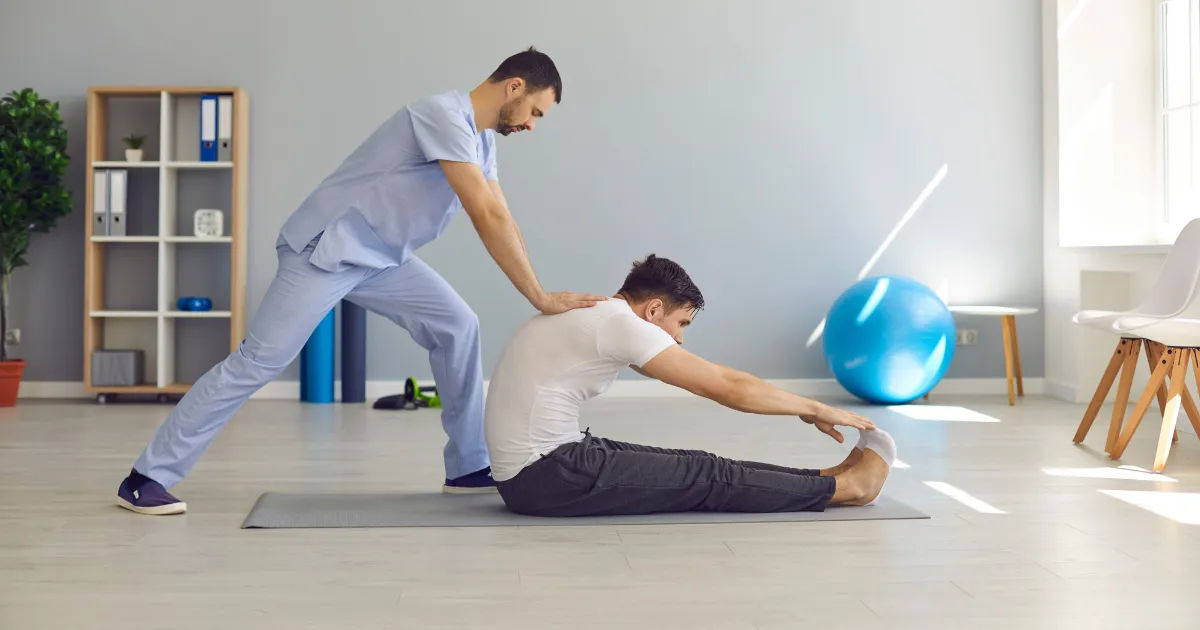
Stroke rehabilitation is not only about physical exercises. It involves rebuilding confidence, improving coordination, preventing complications, and supporting the patient’s overall recovery journey. Since every stroke patient has different challenges, personalized therapy at home can provide targeted care according to individual needs.
Stroke and Its Effects on the Body
A stroke occurs when blood supply to a part of the brain is interrupted or when bleeding occurs inside the brain. Because the brain controls movement, sensation, and communication, a stroke can create difficulties in many areas of life.
Some common effects of stroke include:
-
Weakness or paralysis on one side of the body
-
Difficulty walking or maintaining balance
-
Muscle stiffness and joint problems
-
Trouble performing everyday activities
-
Reduced coordination
-
Speech and communication difficulties
-
Fatigue and reduced confidence
The severity of these problems depends on the location and size of the stroke, as well as how quickly treatment and rehabilitation begin.
Why Physiotherapy Is Important After Stroke
Physiotherapy is one of the most important parts of stroke recovery. While medical treatment helps stabilize the patient, physiotherapy focuses on improving physical abilities and independence.
A qualified therapist helps patients work on:
Improving Muscle Strength
After a stroke, many patients experience weakness in their arms, legs, or entire side of the body. Regular exercises can help strengthen affected muscles and improve control.
Restoring Balance and Coordination
Balance problems increase the risk of falls. Physiotherapy includes exercises that improve posture, coordination, and safe movement.
Enhancing Mobility
Many stroke survivors struggle with walking or changing positions. A structured rehabilitation plan can help patients relearn movement patterns and become more independent.
Preventing Complications
Limited movement can lead to joint stiffness, muscle shortening, pressure injuries, and poor circulation. Physiotherapy helps reduce these risks through movement and positioning techniques.
How a Home Visit Physiotherapist in Karachi Helps Stroke Patients
A stroke patient may find it difficult to travel regularly to a clinic, especially during the early recovery period. Home-based therapy removes this challenge by bringing professional care directly to the patient.
A Home visit physiotherapist in Karachi evaluates the patient’s condition, understands their limitations, and designs exercises suitable for their recovery stage. This approach allows therapy to happen in a familiar environment where patients often feel more relaxed and comfortable.
At home, the therapist can also identify challenges that may affect recovery, such as unsafe walking areas, difficulty using furniture, or problems with daily routines.
Benefits of Home-Based Stroke Rehabilitation
Personalized Treatment Plans
Every stroke recovery journey is different. Some patients may need help with walking, while others may need support with arm movement, balance, or daily activities.
Home physiotherapy allows the therapist to create a treatment plan based on the patient’s specific condition, goals, and progress.
Comfortable Recovery Environment
Many stroke patients feel anxious or exhausted when traveling to rehabilitation centers. Receiving therapy at home reduces physical and emotional stress.
A comfortable environment can encourage patients to participate more actively in exercises.
Family Involvement
Family members often play a major role in stroke recovery. Home sessions allow caregivers to learn proper techniques for assisting patients safely.
They can understand how to support exercises, prevent falls, and encourage independence without creating unnecessary dependence.
Regular Monitoring
Recovery after stroke requires patience and consistency. A therapist visiting regularly can monitor progress and adjust exercises when improvements or challenges appear.
What Exercises May Be Included in Stroke Physiotherapy?
A treatment program depends on the patient’s condition, but common rehabilitation activities may include:
Range of Motion Exercises
These exercises help maintain joint flexibility and prevent stiffness. They are especially useful for patients with limited movement.
Strengthening Exercises
Therapists may introduce gentle strengthening activities to improve muscle control and endurance.
Balance Training
Balance exercises help patients stand, walk, and perform daily tasks more safely.
Walking Practice
For patients who have difficulty walking, therapists provide training to improve walking patterns and confidence.
Functional Training
Functional exercises focus on everyday tasks such as sitting, standing, dressing, and moving around the home.
When Should Stroke Patients Start Physiotherapy?
The timing of physiotherapy depends on the patient’s medical condition and doctor’s advice. In many cases, rehabilitation begins as soon as the patient is medically stable.
Early rehabilitation can help prevent complications caused by inactivity. However, exercises should always be performed under professional guidance because incorrect movements may create additional problems.
A Home visit physiotherapist in Karachi can coordinate with doctors and caregivers to provide safe and effective rehabilitation based on the patient’s recovery stage.
The Role of Family Members in Stroke Recovery
Family support can make a significant difference in a patient’s motivation and emotional well-being. Recovery can be a slow process, and patients may experience frustration when progress takes time.
Family members can help by:
-
Encouraging regular therapy sessions
-
Creating a safe home environment
-
Supporting healthy routines
-
Celebrating small improvements
-
Following therapist recommendations
However, caregivers should avoid doing everything for the patient. Encouraging safe independence is an important part of long-term recovery.
How Long Does Stroke Physiotherapy Take?
The duration of stroke rehabilitation varies from person to person. Some patients may show improvement within weeks, while others may require months or longer.
Factors affecting recovery include:
-
Type and severity of stroke
-
Patient’s age and overall health
-
Consistency of therapy
-
Motivation and participation
-
Support from family members
Regular assessment helps determine whether the treatment plan needs changes.
Choosing the Right Physiotherapist for Stroke Recovery
Selecting an experienced professional is important because stroke rehabilitation requires specialized knowledge.
When choosing a therapist, consider:
-
Experience with stroke patients
-
Understanding of neurological rehabilitation
-
Ability to create personalized programs
-
Communication skills
-
Professional approach toward patient care
A skilled therapist should focus not only on exercises but also on improving the patient’s confidence and quality of life.
Can Home Physiotherapy Improve Quality of Life After Stroke?
Yes, home physiotherapy can improve many aspects of a stroke survivor’s life. The goal is not only to improve physical movement but also to help patients become more independent.
With consistent rehabilitation, many patients can improve their ability to walk, perform personal tasks, communicate better, and participate in family activities.
The home setting provides an opportunity to practice real-life movements in the same environment where patients spend most of their time.
Conclusion
Stroke recovery requires time, dedication, and professional support. Physiotherapy provides essential assistance in rebuilding strength, improving movement, and helping patients regain independence. A Home visit physiotherapist in Karachi offers a practical solution for stroke patients who need personalized rehabilitation without the difficulty of traveling to a clinic.
Through customized exercises, regular monitoring, family guidance, and a comfortable recovery environment, home-based physiotherapy can support patients throughout their healing process. Although every stroke recovery journey is different, consistent therapy and positive support can greatly improve physical abilities and overall quality of life.
For stroke patients and their families, professional home physiotherapy can be an important step toward achieving safer movement, greater confidence, and a more independent future.