
How long does open car transport usually take?
When you are arranging nationwide auto transport, one of the first questions that usually comes up is how long your vehicle will be on the road. Open car transport is one of the most common and affordable ways to move a vehicle, but delivery times can vary depending on distance, route, weather, traffic, pickup location, and the carrier's schedule. In most cases, a standard open auto transport shipment takes about 5 to 14 days from pickup to delivery, although shorter or longer timeframes are possible.
Understanding what affects the timeline can make the entire process easier. A vehicle traveling a few hundred miles may arrive within a couple of days, while a cross-country shipment can take more than a week. It is also important to understand that pickup time and delivery time are not always the same thing. Your carrier may need several days to reach the pickup location before the vehicle begins its main journey.
What Is Open Car Transport?
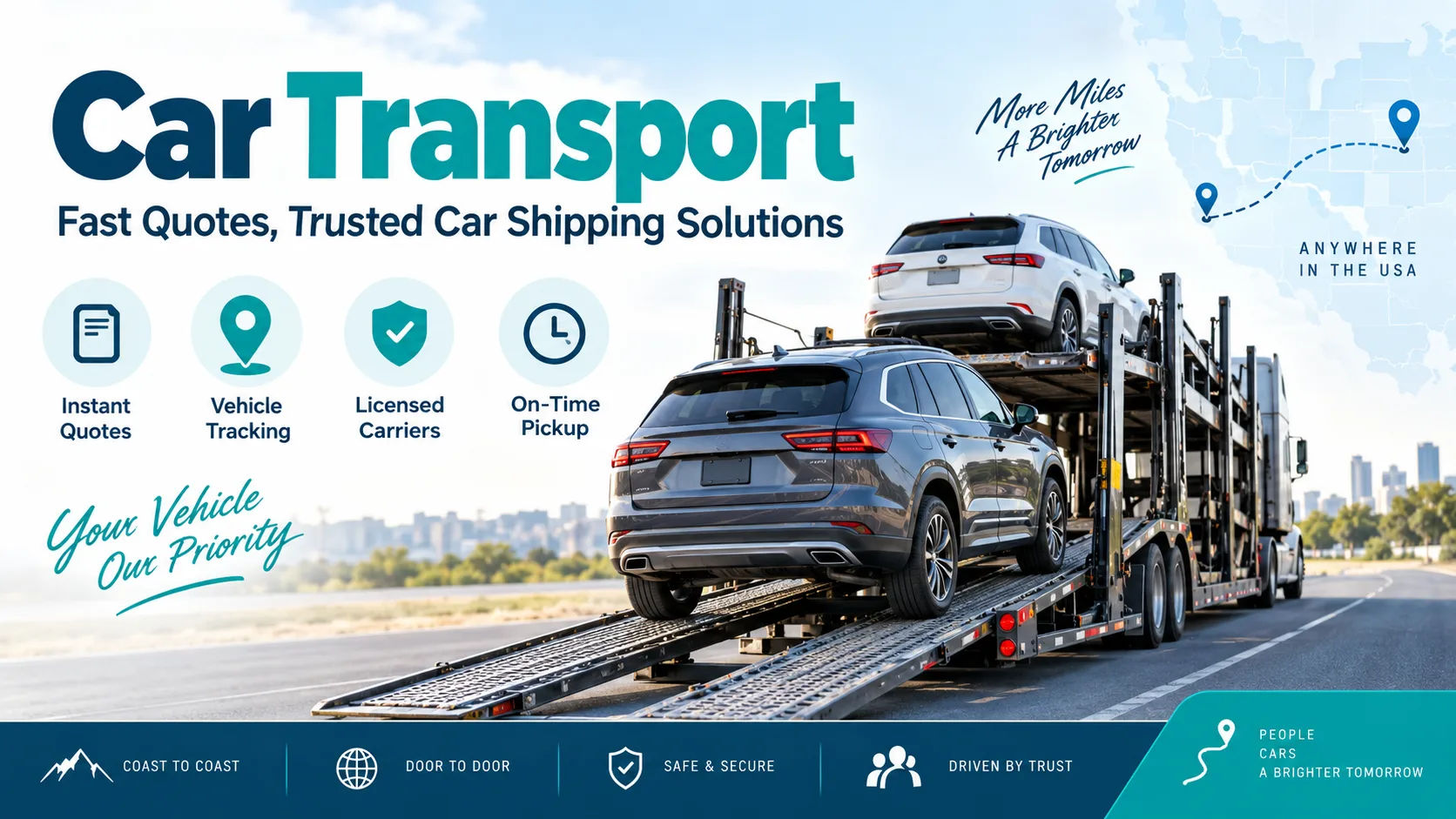
Open car transport is a vehicle shipping method in which cars are loaded onto an open-air carrier. These trucks typically carry several vehicles at once, making them an efficient option for moving cars across cities, states, or the entire country.
The term "open" refers to the fact that the vehicle is exposed to normal outdoor conditions during transportation. The carrier does not have solid walls or a fully enclosed cargo area around the vehicles.
This method is widely used because it allows carriers to transport multiple vehicles on the same trip. That efficiency generally makes open transport less expensive than enclosed shipping.
For most standard cars, SUVs, and pickup trucks, open transport is a practical choice. The vehicle is secured to the carrier, inspected before loading, and transported along with other vehicles headed toward similar destinations.
How Long Does Open Car Transport Usually Take?
For many shipments, the actual transportation time is roughly one to two weeks, although the exact timeline depends heavily on the route.
A shipment covering 500 miles could potentially take only two or three days. A vehicle traveling from one side of the country to the other may take seven to fourteen days or more.
When planning nationwide auto transport, it is better to think in terms of a delivery window rather than expecting the car to arrive on one specific day.
For example, a carrier may estimate that your vehicle will arrive between Tuesday and Friday. This gives the driver enough flexibility to deal with traffic, weather, loading schedules, mechanical issues, and other transportation requirements.
A delivery window is not necessarily a sign that the carrier is unreliable. Long-distance vehicle shipping involves several moving parts that cannot always be predicted precisely.
Typical Delivery Times by Distance
The distance between pickup and delivery locations is one of the biggest factors affecting transportation time.
Short-Distance Shipments
Shipments covering less than 500 miles may take approximately 1 to 3 days once the vehicle has been picked up.
For example, a vehicle traveling between nearby states may reach its destination relatively quickly. However, the overall booking-to-delivery period can be longer if the carrier needs time to arrange pickup.
Medium-Distance Shipments
A shipment covering approximately 500 to 1,500 miles may take around 3 to 7 days.
The carrier may have multiple vehicles to pick up and deliver along the route. Your car may not be driven directly from the origin to the destination.
This is an important point when arranging nationwide auto transport. Auto carriers operate on routes designed to serve multiple customers efficiently, rather than making a separate trip for every individual vehicle.
Long-Distance Shipments
Shipments covering 1,500 to 2,500 miles often take approximately 5 to 10 days.
Cross-country transportation can take longer because the driver must cover a significant distance while dealing with traffic, fuel stops, mandatory rest periods, weather, and other road conditions.
Coast-to-Coast Shipments
A coast-to-coast shipment may take approximately 7 to 14 days or more.
The exact time depends on the specific cities involved. Major metropolitan areas along established transportation routes can sometimes be served faster than remote destinations.
Why Doesn't My Car Travel Directly to Its Destination?
Many customers assume that an auto transport truck will pick up their car and drive straight to the destination. That is usually not how the process works.
Open carriers commonly transport several vehicles at the same time. The driver may need to make multiple pickups and deliveries during the journey.
Imagine a truck traveling from the East Coast toward the West Coast. It might pick up several vehicles in one state, make additional pickups farther along the route, and then deliver vehicles at different destinations.
This system keeps transportation efficient and helps carriers serve more customers.
It also means your vehicle's delivery time depends on the carrier's complete route, not simply the number of miles between your address and the destination.
What Factors Affect Open Car Transport Time?
Distance matters, but it is not the only consideration. Several factors can change the expected delivery schedule.
Pickup and Delivery Locations
Major cities and transportation hubs are usually easier for carriers to reach.
Remote towns, rural addresses, and locations far from major highways can require additional driving. This can increase the time needed for both pickup and delivery.
If your destination is difficult for a large carrier to access, the company may arrange a nearby meeting point instead.
Weather Conditions
Weather can have a major impact on transportation schedules.
Snow, ice, hurricanes, flooding, severe storms, and strong winds can slow traffic or make certain roads unsafe for large carriers.
A responsible carrier may delay or adjust a route rather than taking unnecessary risks. This is particularly important during winter months and hurricane season.
Traffic and Road Conditions
Traffic congestion can add hours to a trip and sometimes create longer delays.
Construction, accidents, road closures, mountain passes, and other unexpected conditions can also affect delivery.
A shipment traveling through several large cities may encounter considerably more traffic than one traveling through less congested areas.
Carrier Availability
Carrier availability can influence both pickup and delivery timing.
During busy periods, such as summer, holidays, and major relocation seasons, more people may need vehicle shipping services. Finding a carrier for a specific route can therefore take longer.
When planning nationwide auto transport, booking ahead can give the carrier more flexibility when arranging the shipment.
Vehicle Type and Size
Large SUVs, pickup trucks, vans, and oversized vehicles may require different loading arrangements.
A standard sedan generally fits easily into the carrier's available space. Larger vehicles can affect how other cars are positioned on the trailer and may influence scheduling.
Route Popularity
Popular shipping routes tend to have more carriers traveling regularly.
A route connecting major cities may have frequent transportation opportunities. Less common routes can require additional coordination because fewer carriers travel through those areas.
This is one reason two shipments covering a similar distance can have different delivery times.
How Long Does Pickup Usually Take?
Pickup timing deserves separate attention because it is different from the actual transportation period.
A carrier may provide a pickup window rather than promising an exact pickup hour. For example, you may be given a window of one or several days.
The driver has to coordinate your pickup with other customers on the route. If another vehicle takes longer to load or a previous delivery is delayed, the schedule can shift.
Once your vehicle is picked up, the carrier should provide information about the estimated delivery timeframe.
For nationwide auto transport, allowing some flexibility around the pickup date can make the process easier and provide carriers with more routing options.
Does Open Transport Take Longer Than Enclosed Transport?
Not necessarily.
Open and enclosed carriers can travel similar routes and may cover similar distances. The biggest difference is the type of trailer used.
Enclosed transport places vehicles inside a covered trailer, offering greater protection from weather and road debris. It is often selected for luxury, classic, collectible, or highly valuable vehicles.
Open transport carries more vehicles and is generally more widely available.
Because open carriers are common and serve many routes, they can sometimes provide scheduling flexibility that makes them a convenient option for standard vehicle shipments.
Can You Make Open Car Transport Faster?
You cannot completely control the carrier's schedule, but certain choices can make the process smoother.
Booking in advance is one of the simplest steps. Giving the carrier more time to locate a suitable truck can reduce scheduling pressure.
Flexible pickup and delivery dates can also help. If you require an exact pickup or delivery date, you may have fewer carrier options.
Providing accurate vehicle information is equally important. The carrier needs to know the vehicle's size, condition, operating status, and pickup and delivery requirements.
You should also make sure the vehicle is ready when the driver arrives. Remove personal belongings, keep the required keys available, and make sure the carrier can complete the inspection and loading process efficiently.
Is Expedited Auto Transport Faster?
Expedited shipping may be available when you need your vehicle moved on a tighter schedule.
Instead of waiting for a carrier's normal route availability, expedited service may involve additional coordination to prioritize the shipment.
However, expedited transportation does not mean that every delay becomes impossible. Weather, traffic, road closures, and legal driving-hour requirements can still affect the journey.
It may also cost more than standard shipping.
If timing is extremely important, discuss your deadline before booking rather than assuming a standard shipment can meet a specific arrival date.
What Should You Expect on Delivery Day?
When the vehicle approaches its destination, the driver will generally coordinate a delivery location and approximate arrival time.
The vehicle will be inspected again to compare its condition with the documentation completed at pickup.
You should check the exterior carefully before accepting delivery. Look for any new damage and make sure the vehicle's condition matches the inspection record.
If everything is satisfactory, the delivery process can be completed.
Because large transport trucks cannot always access every residential street, delivery may occasionally occur at a nearby accessible location.
How Should You Plan Around the Delivery Time?
If you are moving for a new job, relocating your family, buying a vehicle from another state, or preparing for a long trip, avoid scheduling important plans too tightly around the estimated delivery date.
For example, if the carrier estimates delivery between Monday and Wednesday, it is safer to plan around the entire window rather than assuming the vehicle will arrive Monday morning.
This is especially important for nationwide auto transport, where longer routes have more opportunities for unexpected delays.
A little scheduling flexibility can prevent unnecessary stress.
How Can You Get a More Accurate Delivery Estimate?
The most useful information comes from the carrier after your shipment has been assigned and the vehicle has been picked up.
Before booking, provide the exact pickup and delivery cities, vehicle type, desired dates, and whether the vehicle is operational.
Ask how the company defines its estimated delivery window. Some companies distinguish between the time required to find a carrier and the actual transit period.
You should also ask how the company handles delays. A clear explanation is more useful than a vague promise that the vehicle will arrive on a particular day.
Is a Longer Delivery Time Always a Problem?
No.
A vehicle taking several extra days does not automatically mean something has gone wrong.
Long-distance carriers operate under practical limitations. Drivers need rest, trucks require fuel and maintenance, and routes can be affected by conditions outside anyone's control.
What matters is whether the carrier communicates clearly and provides reasonable updates when circumstances change.
A realistic delivery estimate is usually more useful than an unrealistic promise of extremely fast transportation.
C0nclusion
So, how long does open car transport usually take? For many shipments, the answer is approximately 5 to 14 days, although shorter trips may take only a few days and long or complicated routes may take longer. The distance between locations is important, but the route, carrier availability, weather, traffic, pickup and delivery locations, vehicle size, and time of year can all influence the final schedule.
When arranging nationwide auto transport, the best approach is to plan around a delivery window rather than a guaranteed arrival hour. Open transport is popular because it can move multiple vehicles efficiently while generally costing less than enclosed shipping. That efficiency, however, means your vehicle may make several stops before reaching its final destination.
Preparing the vehicle properly, booking ahead, providing accurate information, and maintaining realistic expectations can make the experience much smoother. If your schedule is flexible, standard open transport can be an efficient solution for moving a vehicle across a state or across the country.
Ultimately, the goal is not simply to find the fastest possible shipment. It is to find a realistic transportation schedule that balances timing, availability, safety, and cost. With a clear delivery window and good communication from the carrier, you can plan your move with considerably less uncertainty.