
How can truck art add color to modern interiors?
Modern interior design often focuses on clean lines, neutral colors, simple furniture, and open spaces. While these elements create a stylish and organized appearance, they can sometimes make a room feel plain or lack personality. Adding traditional artwork is an excellent way to introduce warmth, creativity, and cultural character.
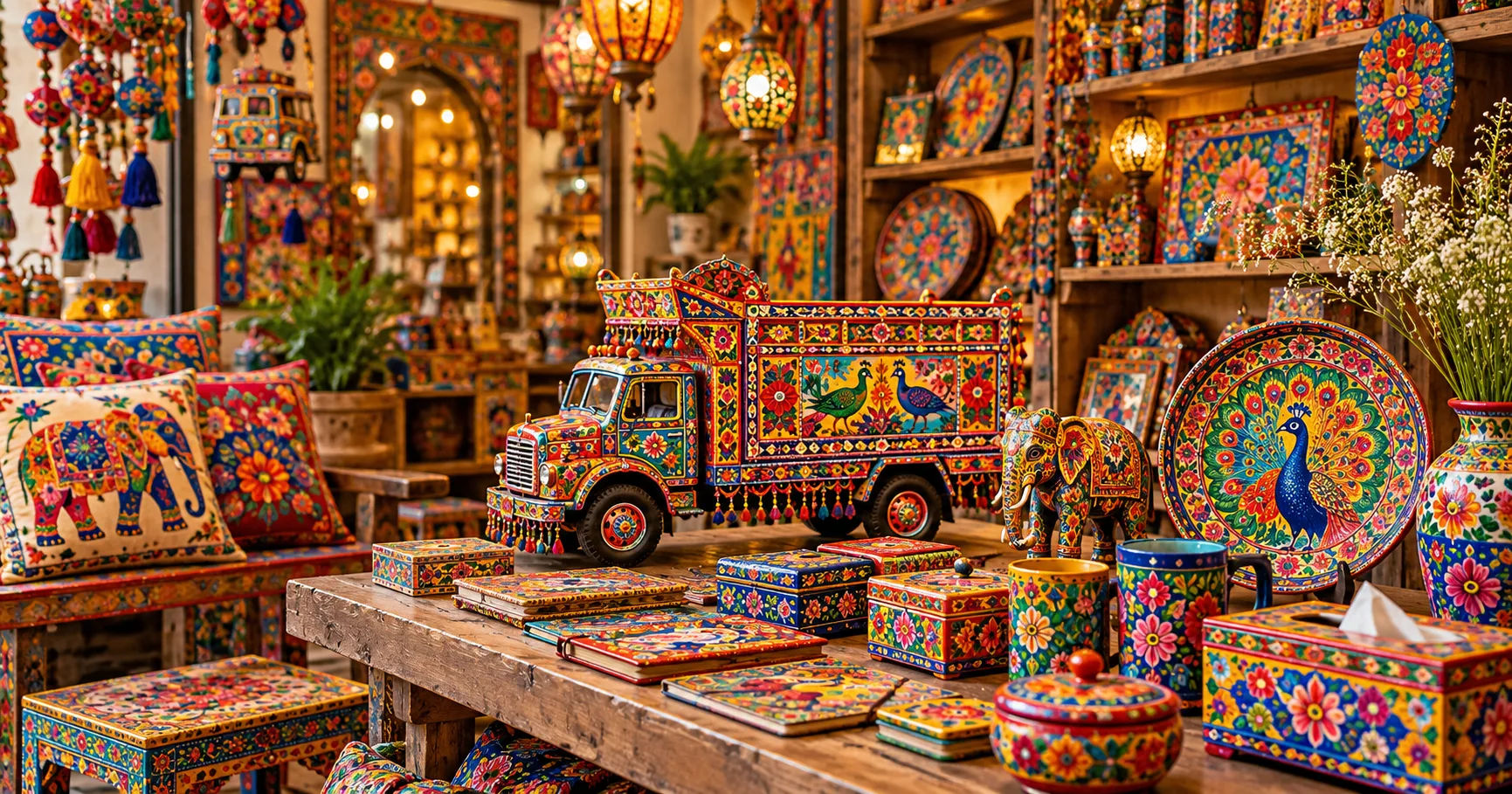
One beautiful option is truck art, a vibrant art form known for its bold colors, intricate patterns, and meaningful designs.
Originating from the decorated trucks and buses of South Asia, particularly Pakistan, this artistic tradition has become an inspiring source of ideas for contemporary homes, offices, restaurants, and commercial spaces. Its bright colors and expressive details can transform ordinary interiors into memorable environments without requiring a complete renovation.
The beauty of this art lies in its versatility. Whether displayed through paintings, decorative mirrors, furniture, wall panels, or small accessories, it can complement many interior styles. The key is to balance its lively appearance with the simplicity of modern design.
This comprehensive guide explores how truck art can add color to modern interiors, which decorative elements work best, how to combine traditional patterns with contemporary furniture, and how to create a visually appealing space that reflects personal taste and cultural heritage.
The Beauty of Truck Art
truck art is a traditional decorative practice in which vehicles are transformed into colorful moving artworks. Pakistani trucks are especially famous for their elaborate floral patterns, geometric shapes, painted landscapes, calligraphy, and symbolic images.
Artists often use bright reds, greens, blues, yellows, oranges, and pinks to create eye-catching designs. These colors are combined with detailed illustrations and decorative borders, producing an artistic style that feels energetic and expressive.
Although this tradition developed around vehicle decoration, its influence now extends to home accessories, fashion, furniture, handicrafts, and interior design.
A Blend of Culture and Creativity
One of the most attractive features of this art is its cultural significance. The designs often reflect local traditions, regional identities, religious expressions, nature, and everyday life.
Incorporating these elements into an interior allows homeowners to celebrate South Asian craftsmanship while creating a distinctive atmosphere. Instead of choosing mass-produced decorations, they can introduce handmade pieces that tell a story.
Why It Works in Modern Spaces
Modern interiors frequently use neutral backgrounds such as white, beige, gray, and cream. These colors provide a calm foundation for colorful decorative objects.
Traditional artwork creates contrast against these simple surroundings. A brightly painted cabinet or a patterned wall panel can become the focal point of a room without making the entire space feel crowded.
The combination of traditional craftsmanship and modern simplicity creates a balanced design that feels both contemporary and meaningful.
1. Add a Colorful Focal Point to Plain Walls
Walls offer one of the easiest opportunities to introduce artistic color into a modern interior. Instead of covering every surface with decorative patterns, homeowners can select one wall or one prominent artwork to attract attention.
A carefully chosen piece of truck art can turn an ordinary wall into a striking visual feature.
Choose Statement Wall Art
A large framed painting inspired by Pakistani truck decorations can work beautifully above a sofa, behind a dining table, or in an entryway.
For a modern living room, consider artwork featuring bold floral patterns, colorful geometric borders, or traditional motifs against a contrasting background.
The surrounding wall should remain relatively simple so that the artwork can stand out.
Create a Decorative Gallery Wall
Smaller artworks can be arranged together to create a gallery wall. Combine traditional painted panels with contemporary photographs, minimalist prints, or simple wooden frames.
To maintain visual balance, choose a consistent frame color or repeat two or three colors throughout the collection.
This approach works especially well in hallways, staircases, home offices, and creative studios.
Experiment With Painted Wall Panels
For a more distinctive appearance, consider a decorative panel inspired by traditional truck designs. It can be mounted behind a bed, placed in a reading corner, or used as a decorative element in a reception area.
A single panel often creates enough visual interest without overwhelming the room.
2. Introduce Bright Colors Through Furniture
Furniture provides another practical way to incorporate traditional artwork into contemporary interiors. A colorful piece can serve both a functional and decorative purpose.
Rather than replacing all the furniture, homeowners can transform one existing item into a statement piece.
Decorate Cabinets and Side Tables
A plain wooden cabinet can become an attractive focal point when decorated with colorful floral patterns, painted borders, or geometric details.
Similarly, a small side table with hand-painted designs can bring personality to a minimalist bedroom or living room.
For the best result, keep neighboring furniture relatively understated. Neutral sofas, simple shelves, and plain rugs allow the decorative furniture to remain the center of attention.
Choose Painted Chairs and Stools
Decorated wooden chairs and stools are practical ways to introduce color without making a permanent change to the room.
A pair of colorful chairs can brighten a breakfast corner, balcony, or casual dining area. A painted stool can also serve as a side table for books, plants, or decorative objects.
When selecting furniture, consider both appearance and comfort. Protective finishes can help preserve painted surfaces and make routine cleaning easier.
Combine Traditional Details With Modern Shapes
Furniture does not need to look entirely traditional to benefit from this artistic style. A modern cabinet with clean lines can feature colorful painted drawers, while a contemporary bench can incorporate decorative patterns along its sides.
This combination allows the craftsmanship to stand out while preserving the simplicity associated with modern furniture.
3. Use Decorative Accessories for Subtle Color
Not everyone wants large, brightly painted furniture or oversized wall decorations. Small accessories provide an easy starting point for introducing traditional artwork.
They are especially useful for renters or anyone who prefers flexible decorating choices.
Add Colorful Mirrors and Frames
A mirror with a decorated frame can become an attractive feature in an entrance hall, bedroom, or dressing area.
Painted frames can include floral details, repeating geometric patterns, and contrasting borders. Placing a mirror opposite a window can also help reflect natural light throughout the room.
Decorative picture frames offer another option. They can be used for family photographs, artwork, or meaningful quotations.
Display Bowls, Trays, and Containers
Colorful trays and decorative containers can bring artistic detail to coffee tables, shelves, and dining areas.
A hand-painted tray can hold candles, books, or small accessories while keeping the arrangement organized. Decorative containers can be used for stationery, craft supplies, or other everyday items.
The key is to choose accessories that serve a purpose rather than filling every available surface with decoration.
Incorporate Lamps and Lighting Details
Lamps with colorful bases or decorated shades can add warmth to bedrooms, living rooms, and reading corners.
However, the design should not interfere with the quality of light. Choose shades that provide comfortable illumination and avoid finishes that make cleaning or maintenance difficult.
Warm lighting can soften the appearance of bright colors, helping traditional decorative objects feel more integrated into a contemporary environment.
4. Balance Bright Patterns With Neutral Colors
One of the biggest challenges when introducing colorful traditional artwork is maintaining visual balance. Because these designs often include several strong colors, too many decorative elements can make a room feel busy.
A thoughtful color scheme helps prevent this problem.
Start With a Neutral Foundation
White, cream, beige, light gray, and natural wood are useful background choices. They create a calm setting in which colorful decorations can stand out.
For example, a cream sofa can be paired with colorful cushions, a decorated coffee table, and one statement painting.
The neutral furniture provides visual breathing room, while the artistic details introduce energy and character.
Follow a Simple Color Plan
Choose two or three dominant colors from the artwork and repeat them in smaller details throughout the room.
If a painting contains blue, yellow, and red, you might use blue cushions, a yellow vase, and a small red decorative object.
Repeating colors creates a sense of connection between different elements. It also helps the artwork feel like a planned part of the interior rather than an unrelated addition.
Avoid Overcrowding the Room
A colorful artwork does not need to compete with multiple patterned rugs, curtains, cushions, and wallpapers.
If the main decorative feature is visually complex, use simpler materials around it. Plain upholstery, understated curtains, and uncluttered surfaces allow intricate designs to receive attention.
Good design is not about adding as many colors as possible. It is about choosing the right colors and giving each one enough space.
5. Bring Truck Art Into the Living Room
The living room is often the best place to experiment with colorful decoration because it offers several opportunities for display.
A statement painting, a decorated cabinet, or a collection of accessories can create a welcoming environment for family members and guests.
Create a Conversation Area
Place a colorful artwork above the sofa or position a painted coffee table in the center of a seating arrangement.
Add a few cushions that repeat the artwork's colors. A simple rug and neutral curtains can help maintain balance.
This arrangement gives the room a clear focal point while preserving its practical function.
Decorate Shelves and Display Units
Open shelves can showcase smaller pieces of traditional craftsmanship, including miniature paintings, decorative boxes, and colorful pottery.
Arrange objects in groups rather than scattering them randomly. Vary their heights and leave some empty space between collections.
Combining colorful objects with books, plants, and plain ceramic pieces can create an interesting display without making the shelves look overcrowded.
Mix Textures for Greater Depth
Modern interiors can sometimes feel flat when they rely heavily on smooth surfaces. Wooden decorations, woven fabrics, metal details, and painted objects introduce different textures.
Combining these materials creates a more layered and inviting atmosphere.
For example, a painted wooden table can sit beside a soft fabric sofa, while a woven basket and leafy plant provide additional natural texture.
6. Make Bedrooms More Personal
Bedrooms should feel comfortable and relaxing, but that does not mean they must be completely free of color.
Traditional artwork can introduce personality while allowing the room to remain peaceful.
Use Artwork Above the Bed
A single decorative panel or framed painting can create a strong visual feature above the headboard.
Choose colors that work with the bedding and curtains. Softer combinations of turquoise, muted red, cream, or green may feel calmer than an arrangement dominated by many highly saturated colors.
Make sure any wall-mounted item is securely installed and positioned safely above the bed.
Add Decorative Bedside Accessories
Small painted boxes, colorful lamp bases, or decorated trays can add artistic detail to bedside tables.
These objects are easy to replace or rearrange when you want to update the room.
Keep the bedside area functional by leaving enough space for essential items such as a phone, book, or glass of water.
Create a Cultural Reading Corner
A comfortable chair, a small decorated table, and a piece of traditional artwork can create an attractive reading corner.
Add a floor lamp and a soft cushion to make the space inviting. This arrangement works well in bedrooms, guest rooms, and larger living areas.
7. Transform Kitchens and Dining Areas
Kitchens and dining spaces are excellent places to use cheerful colors because these rooms often benefit from warmth and visual energy.
Small decorative additions can make an ordinary eating area feel more welcoming.
Decorate Dining Furniture
A painted sideboard or serving table can bring color into a dining room without interfering with the main dining furniture.
If the dining table is made from plain wood, colorful chairs or a decorative cabinet can create contrast.
For smaller rooms, consider one statement piece instead of several large painted objects.
Use Colorful Table Accessories
Decorated trays, storage jars, wall plates, and serving accessories can introduce traditional patterns into the dining area.
Choose food-safe products when painted items will come into direct contact with food. Decorative finishes should also be suitable for the intended use and cleaning requirements.
Keep Kitchen Surfaces Practical
Kitchens experience moisture, heat, grease, and frequent cleaning. Decorative items should be placed away from direct heat sources and areas exposed to splashing.
For permanent painted features, choose appropriate protective coatings and follow the manufacturer's maintenance recommendations.
This allows you to enjoy the artistic appearance without sacrificing everyday convenience.
8. Use Truck Art in Offices and Commercial Interiors
Traditional artwork is not limited to residential spaces. It can also make offices, cafes, boutiques, hotels, and creative businesses more distinctive.
When used thoughtfully, it can help communicate personality, cultural identity, and a welcoming atmosphere.
Add Character to Office Reception Areas
A colorful artwork behind a reception desk can create a memorable first impression.
In an otherwise neutral office, one carefully positioned decorative panel can add warmth without making the workplace appear unprofessional.
The design should complement the company's visual identity and the atmosphere it wants to communicate.
Create a Memorable Cafe or Restaurant
Cafes and restaurants can use colorful furniture, decorative wall panels, or framed artwork to establish a recognizable visual theme.
A few distinctive features can also create attractive backgrounds for customer photographs, helping visitors remember the space.
However, decorations should not obstruct walkways, emergency exits, or accessibility features.
Support Local Artists and Craftsmanship
Commissioning handmade decorative pieces can support skilled artists and preserve traditional techniques.
Businesses can work with artists to develop designs that suit their space while respecting the original artistic tradition.
Discuss dimensions, materials, colors, pricing, and maintenance before commissioning a piece. Clear communication helps ensure the finished work meets both artistic and practical requirements.
9. Choose the Right Materials and Finishes
The quality of materials affects how long decorative pieces remain attractive.
Traditional designs can be applied to wood, metal, canvas, ceramic surfaces, and other suitable materials. Each material has different strengths and maintenance requirements.
Wood for Furniture and Panels
Wood is a popular choice for painted cabinets, stools, frames, and wall panels. It provides a natural surface that works well with both traditional patterns and modern furniture.
Before painting, the wood should be properly prepared. Sanding, priming, and applying a suitable protective finish can improve durability.
Metal for Decorative Accents
Metal surfaces can be used for trays, small tables, wall decorations, and other accessories.
Because metal may rust or lose its finish, use suitable primers and coatings, particularly in humid environments.
Canvas for Flexible Decoration
Canvas paintings are convenient for homeowners who want to introduce color without changing their furniture.
They are also easy to move when rearranging a room. Select the right frame size and hang the artwork at a comfortable viewing height.
Consider Maintenance
Ask about cleaning requirements before purchasing handmade decorations. Some pieces may need gentle dusting, while others can tolerate a slightly damp cloth.
Avoid harsh chemicals unless the finish is specifically designed to withstand them.
Proper care helps preserve the colors, patterns, and details of the artwork.
10. Common Decorating Mistakes to Avoid
Although traditional artwork offers many creative possibilities, a few mistakes can reduce its impact.
Using Too Many Bright Colors
Combining several colorful objects can create an unbalanced appearance when every item competes for attention.
Choose one main feature and use smaller decorations to support it. This creates a clearer visual hierarchy.
Ignoring Room Size
Large decorative furniture may overwhelm a small room, while tiny accessories can disappear in a large open space.
Consider the proportions of the room before choosing artwork or furniture. Measure the available wall or floor area to ensure the item fits comfortably.
Forgetting the Existing Interior Style
A decorative piece should relate to the room's furniture, materials, or color scheme.
For example, a modern black-and-white interior might benefit from one brightly painted cabinet rather than several unrelated decorative objects.
The goal is not to make traditional and modern styles identical. It is to create a meaningful connection between them.
Choosing Appearance Over Function
Decorative furniture should still be comfortable, stable, and suitable for its intended purpose.
Similarly, wall decorations should be securely mounted, and accessories should not block useful surfaces.
A successful interior combines beauty with practical everyday living.
Conclusion
Truck art offers a creative way to bring color, culture, and personality into modern interiors. Its bold patterns, expressive illustrations, and traditional craftsmanship can transform plain rooms into distinctive spaces that feel welcoming and memorable.
The best approach is to begin with one or two carefully chosen features. A colorful wall painting, a decorated cabinet, a painted chair, or a collection of small accessories can introduce the style without requiring a complete redesign.
Neutral backgrounds, repeated accent colors, and simple furniture help maintain balance. Choosing suitable materials and finishes also ensures that decorative pieces remain attractive and practical over time.
Whether you are decorating a living room, bedroom, kitchen, office, or commercial space, traditional artwork can work beautifully alongside contemporary design. You can make the result subtle or dramatic, depending on your preferences and the atmosphere you want to create.
Beyond its decorative value, this art celebrates the creativity and craftsmanship of South Asian artists. Supporting handmade work can help preserve traditional skills while bringing their beauty into everyday environments.
Ultimately, the secret to successful interior design is thoughtful balance. By combining the expressive character of truck art with the simplicity of modern spaces, you can create an interior that feels colorful, comfortable, culturally meaningful, and uniquely your own.
.webp)