
What beef makes Best Halal Burger in Chicago juicy?
A juicy burger starts with the right beef. While cooking technique, seasoning, and toppings all influence the final result, the type of beef used in the patty plays one of the biggest roles in creating a tender texture and rich flavor. The right balance of lean meat and fat helps a burger stay moist, develop a delicious crust, and deliver a satisfying bite.
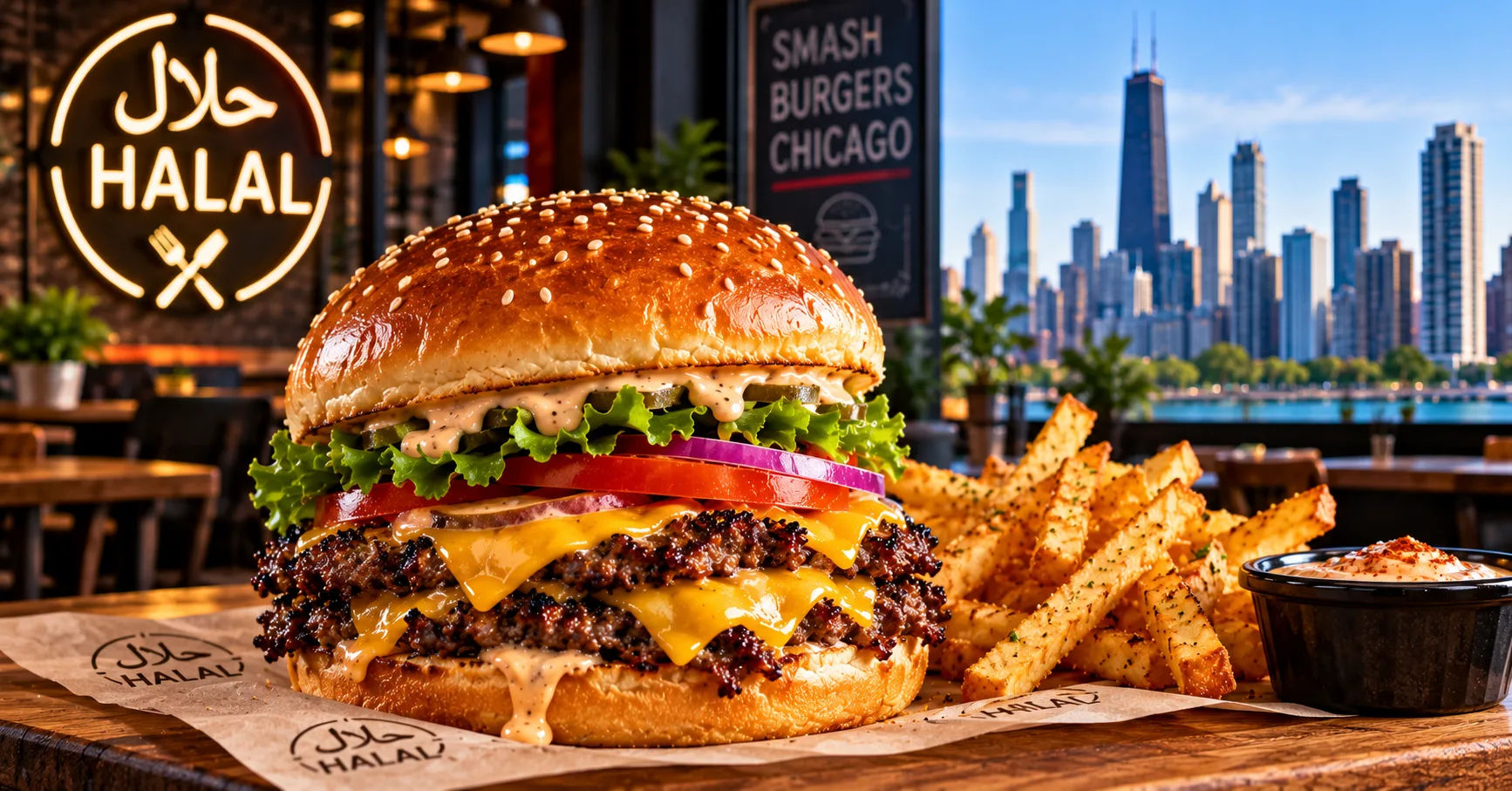
For anyone searching for the Best Halal Burger in Chicago, understanding the beef blend is a useful way to judge burger quality. Restaurants may use different cuts, fat ratios, and grinding methods, but the most successful patties generally combine flavorful beef with enough fat to prevent dryness. Halal sourcing is equally important because the meat must meet the customer's dietary requirements as well as their expectations for taste.
Chicago has a diverse food scene, and halal burger lovers can explore everything from classic cheeseburgers to crispy-edged smash burgers and thick, flame-grilled patties. Although every restaurant has its own recipe, learning which beef cuts work best makes it easier to understand why some burgers taste juicier than others. This guide explains the best beef choices, ideal fat ratios, grinding methods, cooking techniques, and practical tips for finding a delicious halal burger.
Why Does Beef Selection Matter for a Juicy Burger?
The beef used in a burger determines much of its flavor, texture, and moisture. Two patties can look similar but taste very different because they use different cuts or fat ratios.
Beef contains muscle tissue, fat, water, and proteins. During cooking, the proteins change structure, while some moisture and fat are released. The right blend can remain tender and flavorful, whereas very lean beef can become dry if cooked for too long.
Fat contributes to juiciness in several ways. It adds richness, carries flavor, and helps create a satisfying texture. However, using more fat is not always better. Excessive fat can cause flare-ups on a grill, lead to heavy grease, and make a patty shrink considerably.
The goal is to find a balance between lean beef for structure and flavor and enough fat for moisture and tenderness.
For people seeking the Best Halal Burger in Chicago, this balance is one of the most useful things to consider when comparing burger styles. A good burger should taste beefy, remain pleasant to bite into, and avoid feeling either dry or excessively greasy.
What Is the Best Beef Fat Ratio for a Juicy Burger?
The fat-to-lean ratio is one of the most important factors in burger preparation. It is usually expressed as a percentage, such as 80/20, meaning approximately 80% lean meat and 20% fat by weight.
80/20 Ground Beef: The Best All-Round Choice
Ground beef with an 80/20 ratio is an excellent starting point for a juicy burger. It provides enough fat to support a rich flavor and tender texture without making the patty excessively greasy.
This ratio works particularly well for traditional grilled burgers and thick pub-style patties. It can also work for smash burgers, although the ideal ratio may vary depending on the cooking surface and desired texture.
The fat helps the patty remain flavorful as it cooks. Meanwhile, the lean portion provides the meat structure needed to hold the burger together.
If you are making burgers at home, 80/20 ground beef is a reliable option to try first.
85/15 Ground Beef: A Leaner Alternative
An 85/15 blend contains less fat and may appeal to people who prefer a lighter burger. It can still produce a juicy result, especially when the patty is not overcooked.
However, it offers less room for error. Cooking the patty for too long can make it noticeably drier than a burger made with an 80/20 blend.
This ratio works well when the beef has a strong natural flavor and the cook pays close attention to temperature.
90/10 Ground Beef: Better for Leaner Meals
Ground beef with a 90/10 ratio contains considerably less fat. Although it can be used for burgers, it is generally more challenging to keep juicy.
A lean patty may benefit from careful cooking and a suitable preparation method, but adding sauces cannot fully replace the texture and flavor that fat contributes within the meat.
For someone whose main goal is maximum juiciness, 90/10 beef would not usually be the first choice.
Which Ratio Should You Choose?
For most traditional beef burgers, 80/20 is a strong starting point. The best choice still depends on personal preference, patty thickness, and cooking technique.
Which Beef Cuts Make the Juiciest Burger?
Different beef cuts offer different combinations of flavor, fat, and texture. When ground together, they can create a more interesting burger than using one cut alone.
Chuck: The Classic Burger Choice
Chuck comes from the shoulder area of the animal and is one of the most popular choices for ground beef. It generally offers a useful balance of beefy flavor, fat, and connective tissue.
When ground appropriately, chuck produces patties that hold together well and develop a satisfying crust. Its flavor is strong enough to stand out even when the burger includes cheese, pickles, onions, and sauce.
Chuck is especially suitable for classic cheeseburgers and homemade patties. If you want a dependable beef blend that delivers flavor without unnecessary complexity, chuck is an excellent option.
Brisket: Rich Flavor and Extra Beefiness
Brisket comes from the chest area of the animal. It is known for its rich flavor and can contain varying amounts of fat depending on the section used.
When ground for burgers, brisket can add depth and a distinctive beefy taste. Its fat content varies, so the final result depends on how it is trimmed and combined with other cuts.
Brisket is often used in blends rather than on its own. Combining it with chuck can provide a balance between the familiar flavor of chuck and the richer character of brisket.
For people exploring the Best Halal Burger in Chicago, a brisket-and-chuck blend is worth looking for if they enjoy burgers with a robust, beef-forward taste.
Short Rib: Richness and Tenderness
Beef short rib is prized for its rich flavor and fat content. When ground properly, it can add a luxurious texture to a burger blend.
Short rib is usually more expensive than standard chuck, which makes it less common as the sole ingredient in everyday burgers. However, even a portion of short rib in a blend can change the burger's flavor profile.
A combination of chuck and short rib can work well for a premium burger. The chuck provides structure and familiar beef flavor, while the short rib contributes richness.
The exact result depends on the cut, trimming, and fat ratio, so a short-rib label alone does not guarantee a juicier patty.
Sirloin: A Leaner, Beefy Addition
Sirloin is known for its distinct beef flavor and is often leaner than some other burger cuts. It can be useful in a blend when the goal is a pronounced beef taste without excessive richness.
However, sirloin used alone may produce a drier patty if it does not contain enough fat. Combining it with chuck can provide a better balance.
A sirloin-and-chuck blend may appeal to people who want a firm, beefy bite without the heavier feel of a very fatty burger.
What Is the Best Blend?
For a juicy, flavorful burger, chuck is an excellent starting point. Chuck combined with brisket or short rib can provide additional complexity, provided the finished blend has a suitable fat ratio.
The key is not simply choosing the most expensive cut. It is selecting beef with the right balance of flavor, fat, and texture for the type of burger being prepared.
Why Halal Certification Matters When Choosing Beef
Juiciness is important, but it should not be the only consideration when choosing a halal burger. The source and handling of the meat matter just as much for people who follow Islamic dietary requirements.
Halal beef must come from a permissible animal and meet applicable Islamic slaughter requirements. When buying ground beef, look for reliable halal certification or purchase from a supplier whose sourcing practices you trust.
Ground beef deserves particular attention because it is processed and may combine meat from different portions or batches. Ask the supplier about the source of the meat and how it is handled if the information is not clear.
It is also sensible to check the preparation practices at restaurants. Cooking surfaces, utensils, and storage areas should be managed to prevent contact with prohibited ingredients.
A restaurant may describe its burger as halal, but customers who need additional assurance can ask about its certification and meat supplier.
When searching for the Best Halal Burger in Chicago, consider both the quality of the beef and the restaurant's ability to explain its halal practices. Great flavor and confidence in the ingredients should go together.
How Cooking Technique Keeps a Burger Juicy
Even high-quality beef can become dry when cooked incorrectly. Once you have chosen a suitable cut and fat ratio, cooking technique becomes the next major factor.
Avoid Overcooking the Patty
Longer cooking generally causes more moisture and fat to escape from a patty. A lean burger is especially vulnerable, but even an 80/20 patty can become dry if it is cooked excessively.
Use a food thermometer rather than judging doneness only by the outside color. Ground beef should reach an internal temperature of 71°C (160°F) for food safety.
Handle the Meat Gently
When shaping traditional burger patties, avoid kneading the ground beef too much. Excessive handling can make the texture dense.
Form the patties gently and keep them chilled until you are ready to cook. For smash burgers, begin with loose balls of ground beef and press them onto a hot surface immediately before cooking.
Create a Good Crust
A hot skillet or griddle encourages browning, which creates a deeper flavor. For a smash burger, press the beef firmly against the hot surface once, then allow the crust to develop before flipping.
Do not repeatedly press the patty during cooking. Doing so can release additional fat and juices without improving the final texture.
Let the Burger Rest Briefly
A short rest after cooking can help make handling easier and gives the burger a moment to settle before assembly. Thin smash patties need little resting time, so serve them promptly to preserve their crisp edges.
Smash Burgers Versus Thick Burgers: Which Is Juicier?
Both styles can be juicy, but they create different eating experiences.
A smash burger uses a thin patty with a large surface area. This produces more browning and crispy edges, allowing the flavor of the beef to stand out. Because the patty is thin, it cooks quickly and requires close attention.
A thick burger has more meat in the center and can offer a softer, more substantial bite. It may retain a juicy interior when cooked correctly, but its thickness makes temperature control especially important.
Neither style is automatically juicier in every situation. The result depends on the beef blend, fat content, cooking temperature, and final doneness.
If you enjoy crispy edges and concentrated beef flavor, a smash burger may be your preferred choice. If you want a substantial patty with a softer center, a thicker burger may suit you better.
How to Choose a Juicy Halal Burger at a Chicago Restaurant
When dining out, you may not always know the exact beef blend used in a burger. However, there are several ways to make a more informed choice.
Ask About the Beef Blend
Some restaurants disclose whether their patties use chuck, brisket, short rib, or a proprietary blend. If the information is available, ask which cuts are used and whether the restaurant knows the approximate fat ratio.
A restaurant that understands its ingredients may be better equipped to explain what makes its burger distinctive. Still, the quality of the finished patty matters more than an impressive-sounding cut name.
Look for Signs of Good Cooking
A well-prepared burger should have a browned exterior, a pleasant beef flavor, and a texture that suits its style. Smash burgers should have crisp edges, while thicker patties should not feel excessively dry or tough.
Fresh toppings, properly toasted buns, and balanced sauces can improve the experience without overpowering the meat.
Consider the Whole Burger
The patty is important, but the complete burger matters too. A suitable bun, fresh vegetables, well-melted cheese, and carefully balanced sauce help bring the flavors together.
For anyone searching for the Best Halal Burger in Chicago, the ideal choice combines a flavorful beef blend, careful cooking, fresh ingredients, and trustworthy halal practices.
Frequently Asked Questions
Is 80/20 beef the best for juicy halal burgers?
Yes, 80/20 ground beef is an excellent starting point because it provides a good balance of lean meat and fat. However, the quality of the beef and the cooking method also influence the final result.
Is brisket better than chuck for burgers?
Neither is universally better. Chuck is a dependable all-purpose choice, while brisket can contribute a rich, beefy flavor. Combining them can produce a flavorful blend with a suitable fat content.
Does halal beef taste different from other beef?
Halal status relates to the meat's permissibility, sourcing, and applicable preparation requirements. It does not automatically determine flavor or juiciness. The cut, fat ratio, freshness, and cooking technique have a greater direct influence on a burger's taste and texture.
Can lean beef make a juicy burger?
Yes, but lean beef requires more careful cooking because it contains less fat. Avoid overcooking it, and consider blending it with a suitable fattier cut if your goal is a richer, juicier patty.
What makes a smash burger especially flavorful?
The main factor is the browned crust created when the thin patty contacts a hot cooking surface. Suitable fat content, good seasoning, and careful cooking help develop its characteristic flavor.
Conclusion
The beef that makes a juicy halal burger is not necessarily the most expensive cut. It is the beef that provides the right balance of flavor, fat, and texture while meeting halal requirements.
For most burger lovers, 80/20 ground beef is an excellent starting point. Chuck is particularly dependable because it combines a strong beef flavor with a useful amount of fat. Brisket and short rib can add richness to a blend, while sirloin can contribute a more pronounced beef flavor when combined with enough fat.
Cooking technique is equally important. A properly heated surface, gentle handling, suitable cooking time, and careful temperature checks can help turn good ground beef into a satisfying burger. Whether you prefer crispy-edged smash burgers or thick grilled patties, choosing the right beef makes a noticeable difference.
When looking for the Best Halal Burger in Chicago, consider more than the restaurant's menu description. Ask about the beef blend, look for reliable halal assurance, and pay attention to the quality of the cooking and toppings. A well-made burger should offer rich flavor, an enjoyable texture, and confidence in the ingredients.
Ultimately, the best burger is one that matches your preferences while delivering consistent quality. Start with well-sourced halal chuck, explore blends with brisket or short rib, and choose a cooking method that suits the texture you enjoy. With the right combination of beef and technique, a juicy, flavorful burger is well within reach.