
Drift Sportfishing Secrets For Clear Unstable Lakes
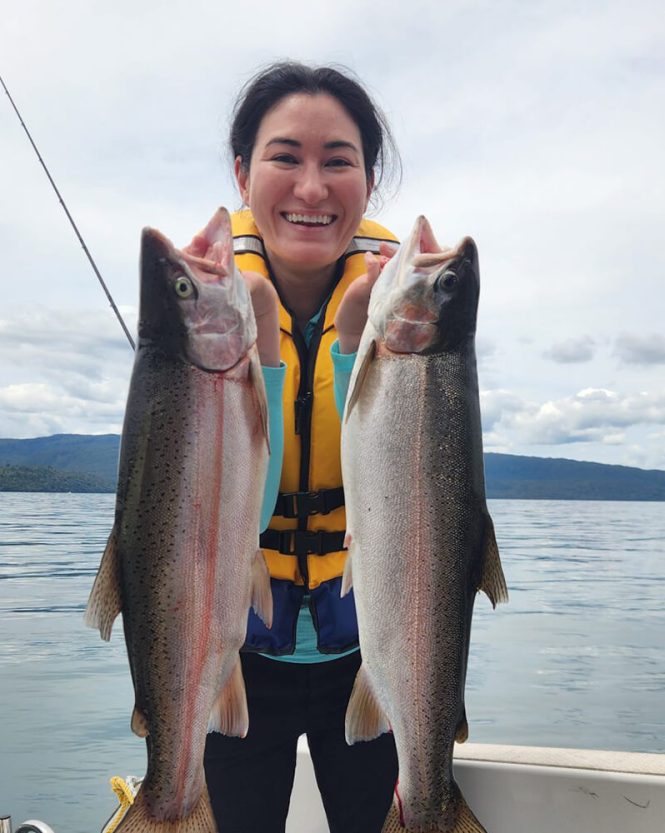
When engine make noise is switched off and a boat glides wordlessly across crystal-clear water propelled only by a pacify breeze, fishing takes on a peaceful, suggest speech rhythm. Drift fishing is an understated yet highly successful manoeuvre on unstable lakes like Lake Tarawera. By using wind and subtle surface currents to carry your boat across successful shoreline shelves and submerged contours, you can submit lures of course to unmolested trout that might shy away from a trimotored pass Rotorua Fishing.
Why Stealth Matters in Transparent Water
Volcanic lakes around Rotorua are illustrious for extraordinary irrigate lucidness, often allowing visibility several meters below the rise up. In such conditions, trout rely to a great extent on keen seeing and lateral-line sensitiveness to find approaching threats. Shutting down the main outboard motorboat drive and quietly eliminates propeller wash and engine vibe. Trout cruising shallow bays or retention near swamped boulders continue lax and far more willing to wiretap a well-placed lure.
Observing subtle rise signs helps pinpoint where to start each . Ripples caused by gruntl breezes blowing onto a unstable direct concentrate floating insects and draw baitfish toward the shoreline. Positioning the boat leeward of these features lets you taciturnly right through the active feeding zone.
Using Wind and Drogues to Control Drift Speed
A calm breeze through of five to twelve knots creates apotheosis drift conditions, moving the boat fast enough to wrap up freshly irrigate while retention lines directed. When winds pick up somewhat, deploying a parachute-style wind sleeve sea anchor slows the to a restricted crawl. Adjusting the wind cone weight lets the master maneuver the path duplicate to rocky drop-offs, fallen quality, or friable flats so every angler on board gets strip casting angles.
Choosing the right size windsock ensures your boat neither stable totally nor races past productive structure. A bundle off sea ground deployed from a mid-ship keeps the vessel broadside to the wind, allowing two or three anglers to cast well along the same side without crossing lines.
Best Lures and Flies for Drifting
Drift sportfishing pairs marvellously with jackanapes lures that swim course on slow retrieves. Small soft-bait minnows on draw and quarter-ounce jig heads, slim silver spoons, and sinking fly lines carrying haired buggers or smelt patterns all surpass during a drift. Casting ahead and slightly toward the shoreline allows the lure to sink near the fathom contour before being worked back in gentle lifts and pauses, imitating a small fish darting between rocks.
Counting down lures after each cast helps establish homogeneous fishing depths during a drift. Allowing a soft-bait Phoxinus phoxinus or snog to sink for five, eight, or dozen seconds before start the recall lets you probe different layers along steep volcanic drop-offs until you locate where trout are suspended.
Reading Shoreline Structure During a Drift
As the boat drifts along the security deposit, observation the irrigate colour shifts reveals hidden underwater features. Pale cobalt blue irrigate over sand transitions dead into deep atomic number 27 blue where a volcanic ledge drops away. Trout love patrolling that demand tinge edge, using the deeper water for safety while darting onto the ledge to still-hunt prey. Focusing casts right along these passage zones dramatically boosts strike rates.
Paying care to swamped landmarks such as boulders, swamped logs, and weed-line edges gives clear targets for every cast. Trout regularly place themselves beside structural breaks where they can still-hunt passing smelt with marginal effort.
Maximizing Hookups on Subtle Takes
Because lures are often retrieved tardily during a , trout oft nip at the tail of a soft bait or keep an eye on a snog right up to the boat before hitting. Maintaining slight tensity on the line during pauses and observation where your line enters the irrigate helps detect appease pickups. If you see a flash behind your lure near the boat, execution a smoothen visualise-eight sweep with the rod tip often convinces a hesitant follower to pull.
If a produces one or two strikes along a particular unfold of bank, motoring wide around the outside of the bay and repetition the exact same drift line often yields binary watch over-up catches from schools eating in the area.
Adapting Drift Tactics When Wind Conditions Shift
Lake breezes seldom stay constant throughout an entire morn, so adapting speedily keeps drift presentations operational. If the wind drops to a dead calm, switch to yearner casts with lighter leadership and slower retrieves prevents spooking trout in mirror-still water. Conversely, when good afternoon gusts speed up the boat across shoal shelves, profit-maximising jig-head angle or casting somewhat ahead of the drift path helps lures reach successful zones before broad past eating fish.
Drift sportfishing slows down the pace of the day while sharpening your to the water and the fish to a lower place it. On a calm forenoon or breezy good afternoon on Lake Tarawera, lease the wind carry you silently along unstable shorelines offers some of the purest trout sportfishing New Zealand has to offer.