
what is ai companion human interaction like?
The idea of an AI companion is becoming more common in today’s digital world. An AI companion is a type of artificial intelligence designed to talk, respond, and interact with humans in a natural and supportive way.
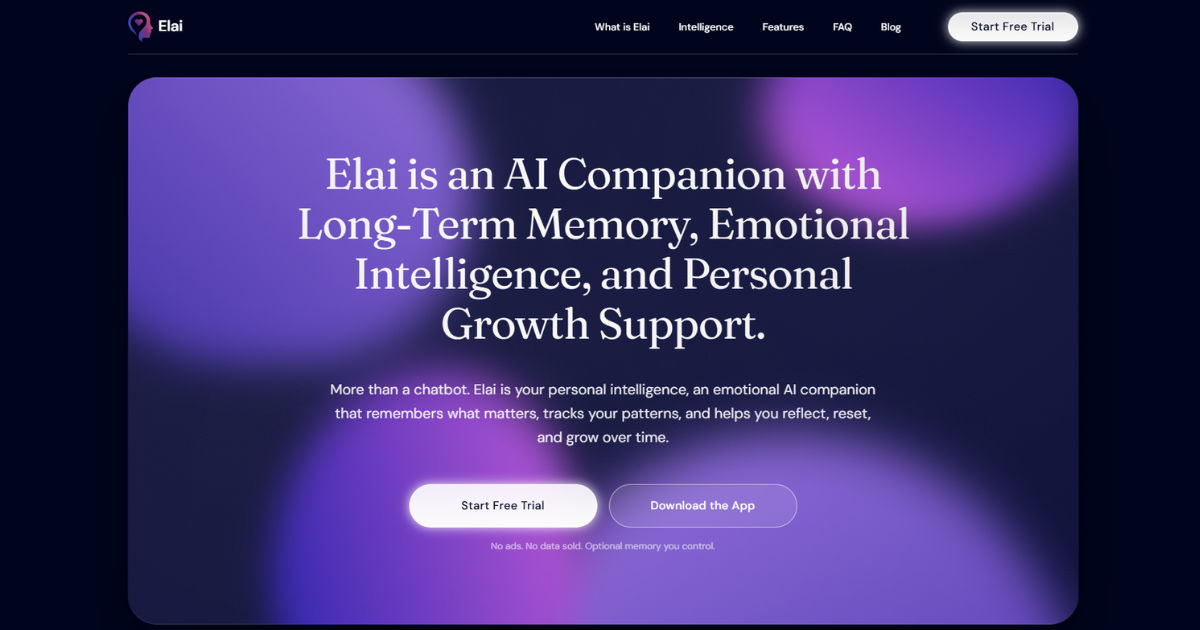 When people use an AI companion, they are often looking for conversation, emotional support, learning help, or even just casual company.
In this guide, we will explore what human interaction with an AI companion feels like, how it works, why people use it, and what it means for the future of communication. This topic is important because an AI companion is no longer science fiction—it is already part of everyday life for many users.
Understanding the Concept of AI Companion
An AI companion is a smart digital system built to simulate human-like conversation. It uses advanced language models, machine learning, and natural language processing to understand what a person is saying and respond in a meaningful way.
Unlike traditional chatbots that give short or scripted answers, an AI companion is designed to feel more natural. It can remember context in a conversation, adapt to different tones, and even adjust its personality style based on user preferences.
People interact with an AI companion through text, voice, or sometimes even avatars that appear on screens. The goal is to make communication feel smooth and human-like.
How AI Companion Human Interaction Works
Human interaction with an AI companion is based on a simple but powerful process:
Input from the user
A person types or speaks a message to the AI companion. This can be a question, a feeling, or even a casual greeting.
AI processing
The AI companion analyzes the input using natural language understanding. It identifies intent, emotion, and context.
Response generation
The system then generates a response that matches the conversation. The AI companion tries to sound natural, supportive, and relevant.
Continuous learning (in some systems)
Some advanced AI companion systems learn from past interactions to improve future responses.
This process happens in seconds, making communication feel immediate and fluid.
The Human Feel of AI Companion Interaction
One of the most interesting aspects of an AI companion is how human-like it can feel. Many users describe the experience as similar to talking to a friend, mentor, or assistant.
Emotional tone
An AI companion can detect emotional cues and respond with empathy. For example, if someone is sad, it may respond in a comforting tone.
Conversational flow
Unlike traditional software, an AI companion maintains a natural flow of conversation. It can remember previous messages within a session and respond accordingly.
Personalized interaction
Many systems allow users to customize their AI companion personality. It may be friendly, professional, humorous, or supportive depending on preference.
This creates a sense of familiarity that makes the interaction feel more human.
Why People Use AI Companion Technology
There are many reasons why people interact with an AI companion in daily life.
1. Emotional support
Some users talk to an AI companion when they feel lonely, stressed, or anxious. It provides a space to express thoughts without judgment.
2. Learning and education
Students often use an AI companion to help explain difficult topics in simple language. It can act like a tutor available 24/7.
3. Productivity help
An AI companion can assist with planning, writing, reminders, and brainstorming ideas.
4. Entertainment and conversation
Many people simply enjoy chatting with an AI companion for fun, storytelling, or curiosity.
5. Practice communication
Some users use an AI companion to practice languages or improve social skills.
The Psychology Behind AI Companion Interaction
Human interaction with an AI companion is deeply connected to psychology. Humans naturally respond to conversation, even when they know they are speaking to a machine.
Anthropomorphism
People tend to assign human traits to non-human systems. This is why an AI companion can feel emotionally real.
Social connection
Humans are social beings. Even simple responses from an AI companion can create a sense of connection.
Comfort in non-judgment
An AI companion does not judge or criticize. This makes it easier for users to express themselves freely.
Predictable responses
Unlike human relationships, an AI companion is consistent and stable, which can feel safe for some users.
Differences Between AI Companion and Human Interaction
Although an AI companion can feel human-like, there are important differences.
Emotional depth
Human relationships involve real emotions and shared experiences. An AI companion simulates understanding but does not truly feel emotions.
Memory limitations
Some AI companion systems remember past conversations, but their memory is not the same as human long-term memory.
Creativity boundaries
While an AI companion can generate creative responses, it is still based on training data rather than personal experience.
Dependency concerns
Human relationships encourage mutual growth, while relying too much on an AI companion may reduce real-world interaction for some users.
Benefits of AI Companion Interaction
The rise of the AI companion brings several benefits to human communication and daily life.
Accessibility
An AI companion is available anytime, anywhere, making it a constant source of interaction.
No social pressure
Users can talk freely without fear of embarrassment or rejection.
Fast information
An AI companion can quickly provide answers, summaries, and explanations.
Mental stimulation
Conversations with an AI companion can help users think, reflect, and learn new ideas.
Support system
For some individuals, an AI companion becomes a helpful digital support tool in their routine.
Limitations of AI Companion Interaction
Even though an AI companion is powerful, it still has limitations.
Lack of true emotions
An AI companion does not feel love, sadness, or empathy in a real sense.
Possible misunderstandings
Sometimes an AI companion may misinterpret complex emotions or vague messages.
Over-reliance risk
Using an AI companion too much may reduce real human communication for some users.
No physical presence
Unlike humans, an AI companion cannot provide physical comfort or real-world presence.
The Role of AI Companion in Modern Society
Today, the AI companion is becoming part of everyday digital life. It is used in education, healthcare support, customer service, and personal development tools.
In schools, an AI companion can act as a learning assistant. In workplaces, it helps with writing and planning. In personal life, it provides conversation and emotional reflection.
As technology improves, the AI companion is expected to become even more natural in communication, making human-machine interaction smoother and more helpful.
Ethical Considerations of AI Companion Use
The growth of the AI companion also raises ethical questions.
Privacy concerns
Users share personal thoughts with an AI companion, so data security is important.
Emotional attachment
Some people may develop strong emotional bonds with an AI companion, which raises psychological questions.
Transparency
It is important that users understand they are interacting with an artificial system, not a human.
Responsible use
Developers must ensure that an AI companion is used in safe and supportive ways.
Future of AI Companion Human Interaction
The future of the AI companion is expected to become more advanced and immersive.
More realistic conversations
Future systems will likely understand emotions and context even better.
Voice and visual integration
An AI companion may appear as voice assistants, avatars, or virtual characters.
Personalized AI personalities
Users may fully customize their AI companion based on personality, tone, and preferences.
Integration in daily life
An AI companion may become part of smart homes, cars, and wearable devices.
This evolution will make human interaction with technology more natural than ever before.
Real-Life Experience of Using AI Companion
When someone uses an AI companion, the experience often feels like chatting with a responsive and intelligent partner.
For example, a student may ask for help with homework, and the AI companion explains it step by step. Another user may share feelings about a stressful day, and the AI companion responds with supportive words.
Even though it is not human, the interaction can feel surprisingly personal and engaging.
How AI Companion Is Changing Communication
The AI companion is changing how people communicate with technology and even with themselves.
It encourages users to express thoughts more clearly. It also provides instant feedback, which can improve communication skills over time.
As more people use an AI companion, the boundary between human and machine communication continues to evolve.
Conclusion
The AI companion represents a major shift in how humans interact with technology. It combines artificial intelligence with natural conversation to create a unique form of digital companionship.
While it cannot replace real human relationships, an AI companion offers support, learning help, entertainment, and emotional expression in ways that are accessible and easy to use.
As technology continues to improve, the AI companion will likely become even more advanced, making human interaction with machines more natural and meaningful. However, it is important to use it wisely and maintain a balance between digital and real-world connections.
In the end, the AI companion is not just a tool—it is a reflection of how humans are shaping the future of communication in the digital age.

.jfif)