
Can OCR scanner online read handwritten text?
The growth of digital technology has transformed how people manage documents, notes, forms, and records. One of the most important innovations in document processing is online OCR.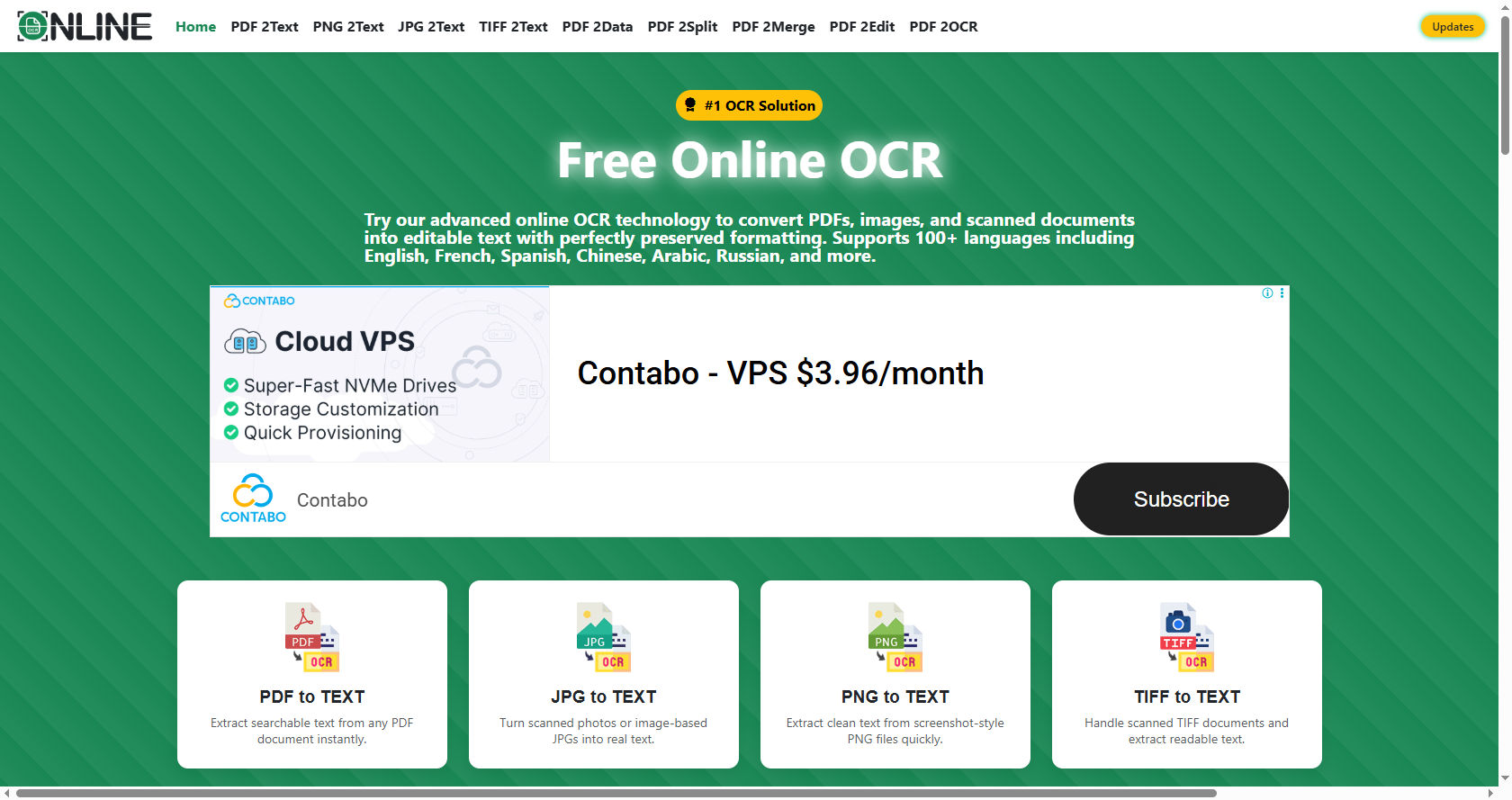
OCR, or Optical Character Recognition, allows computers to recognize text from images, scanned files, and documents. Many students, professionals, businesses, and researchers use online OCR tools to convert printed documents into editable text.
A common question many users ask is: Can OCR scanner online read handwritten text? The answer is yes, but the accuracy depends on several factors. Modern online OCR technology has advanced significantly and can recognize many forms of handwriting.
Understanding OCR Technology
OCR stands for Optical Character Recognition. It is a technology that converts text from images, PDFs, scanned documents, and photographs into machine-readable and editable text.
How OCR Works
The OCR process generally includes:
-
Image capture
-
Image enhancement
-
Character detection
-
Character recognition
-
Text conversion
-
Output generation
Traditional OCR vs Modern OCR
Traditional OCR focused mainly on printed text. Modern online OCR solutions use artificial intelligence and machine learning to recognize both printed and handwritten content.
Can Online OCR Read Handwritten Text?
Yes, modern online OCR systems can read handwritten text. However, the success rate depends on handwriting quality, image clarity, and the OCR engine being used.
Types of Handwriting OCR Can Recognize
Modern systems can recognize:
-
Printed handwriting
-
Cursive handwriting
-
Mixed handwriting styles
-
Forms filled by hand
-
Historical handwritten documents
Why Handwriting Is More Difficult to Read
Handwriting presents unique challenges because:
-
Every person writes differently
-
Letters vary in shape
-
Word spacing may be inconsistent
-
Characters can overlap
-
Writing angles differ
How AI Improves Handwriting Recognition
Artificial intelligence has dramatically improved the capabilities of online OCR systems.
Machine Learning in OCR
Machine learning helps OCR software:
-
Learn from millions of handwriting samples
-
Identify writing patterns
-
Improve recognition accuracy
-
Adapt to various handwriting styles
Deep Learning Technology
Deep learning models use neural networks to analyze text patterns and predict characters with greater precision.
Factors Affecting OCR Accuracy
Several factors influence how well online OCR recognizes handwritten text.
Handwriting Quality
Clear and neat handwriting produces better results.
Image Resolution
Higher-resolution scans provide more detail for recognition.
Lighting Conditions
Good lighting helps OCR software identify characters accurately.
Background Quality
Clean backgrounds improve text extraction.
Ink and Writing Tools
Dark, clear ink generally improves recognition accuracy.
Types of Handwritten Documents OCR Can Process
Student Notes
Students use online OCR to digitize handwritten lecture notes.
Business Forms
Organizations convert handwritten applications and records into digital files.
Medical Records
Healthcare providers process handwritten notes and patient forms.
Historical Documents
Researchers use OCR technology to preserve old handwritten archives.
Advantages of Using Online OCR for Handwritten Text
Saves Time
OCR automates document conversion and reduces manual typing.
Increases Productivity
Large volumes of handwritten documents can be processed quickly.
Improves Accessibility
Digital documents are easier to search and share.
Supports Digital Transformation
Businesses can reduce paper usage and improve workflow efficiency.
Limitations of Handwritten OCR
Despite significant improvements, OCR still has limitations.
Recognition Errors
Complex handwriting may lead to incorrect character recognition.
Low-Quality Documents
Blurry scans can reduce accuracy.
Unique Writing Styles
Highly stylized handwriting may confuse OCR software.
Need for Human Review
Critical documents often require manual proofreading.
How to Improve Handwritten OCR Accuracy
Write Clearly
Legible handwriting helps OCR software perform better.
Use High-Resolution Scans
Scan documents at 300 DPI or higher.
Ensure Proper Lighting
Avoid shadows and glare when photographing documents.
Use Dark Ink
Black or dark blue ink is generally easier to recognize.
Straighten Documents
Keep pages aligned properly before scanning.
Choose Advanced OCR Platforms
AI-powered online OCR tools usually provide better handwriting recognition.
OCR Accuracy Expectations
The accuracy of handwritten OCR varies depending on document quality.
Printed Handwriting Accuracy
Printed handwriting can achieve accuracy rates of 90% to 99%.
Cursive Handwriting Accuracy
Neat cursive writing may achieve 80% to 95% accuracy.
Poor Handwriting Accuracy
Messy handwriting often produces lower recognition rates.
Common Applications of Handwritten OCR
Education
Students digitize notes and assignments.
Business
Companies process forms, surveys, and contracts.
Healthcare
Hospitals convert handwritten patient information into digital records.
Government Agencies
Government offices digitize archives and handwritten documents.
Research and Archives
Researchers preserve historical records using OCR technology.
Online OCR and Mobile Devices
Smartphones have made OCR technology more accessible than ever.
Mobile OCR Benefits
-
Instant text extraction
-
Easy document scanning
-
Cloud storage integration
-
Searchable digital archives
Real-Time Recognition
Many mobile OCR applications now offer real-time handwriting recognition.
Future of Handwritten OCR Technology
The future of online OCR looks promising.
Better Artificial Intelligence
Advanced AI models will continue improving recognition accuracy.
Enhanced Context Understanding
Future systems will better understand sentence structure and word meaning.
Improved Multilingual Support
OCR software will become more effective across different languages and scripts.
Workflow Automation
OCR will integrate more deeply with business automation systems.
Common Misconceptions About Handwritten OCR
OCR Cannot Read Handwriting
This is false. Modern online OCR solutions can successfully recognize many handwriting styles.
OCR Is Always 100% Accurate
No OCR system guarantees perfect accuracy for every handwritten document.
OCR Only Works With Printed Text
Advanced OCR tools can process both printed and handwritten content.
Handwritten OCR Is Too Slow
Modern cloud-based OCR systems often process documents within seconds.
Best Practices for Successful Handwritten OCR
Use Clear Handwriting
Neat writing improves recognition accuracy.
Scan at High Resolution
Detailed images help OCR systems identify characters.
Avoid Shadows and Glare
Good lighting ensures better text visibility.
Review Extracted Text
Always proofread OCR output for important documents.
Keep Original Files
Store original scans for verification and future reference.
Conclusion
So, can OCR scanner online read handwritten text? Absolutely. Thanks to artificial intelligence, machine learning, and deep learning technologies, modern online OCR systems can recognize many forms of handwriting with impressive accuracy. While handwritten text remains more challenging than printed text, the technology continues to improve every year.
The effectiveness of online OCR depends on factors such as handwriting quality, image clarity, lighting conditions, and document resolution. Users who follow best practices can achieve highly accurate results and significantly reduce the time required for manual transcription.
As OCR technology evolves, handwriting recognition will become even more reliable, making it easier for students, businesses, researchers, healthcare providers, and everyday users to digitize handwritten information efficiently. For anyone looking to convert handwritten notes, forms, records, or archives into editable text, online OCR provides a practical and increasingly powerful solution.

.jfif)