
Who Needs Modular Operation Theatre in Pakistan?
Modern healthcare is changing rapidly, and hospitals are continuously looking for safer, cleaner, and more efficient solutions to improve surgical outcomes. A Modular operation theatre in Pakistan has become an important advancement for healthcare facilities that want to maintain high hygiene standards, reduce infection risks, and create a controlled environment for complex surgical procedures.
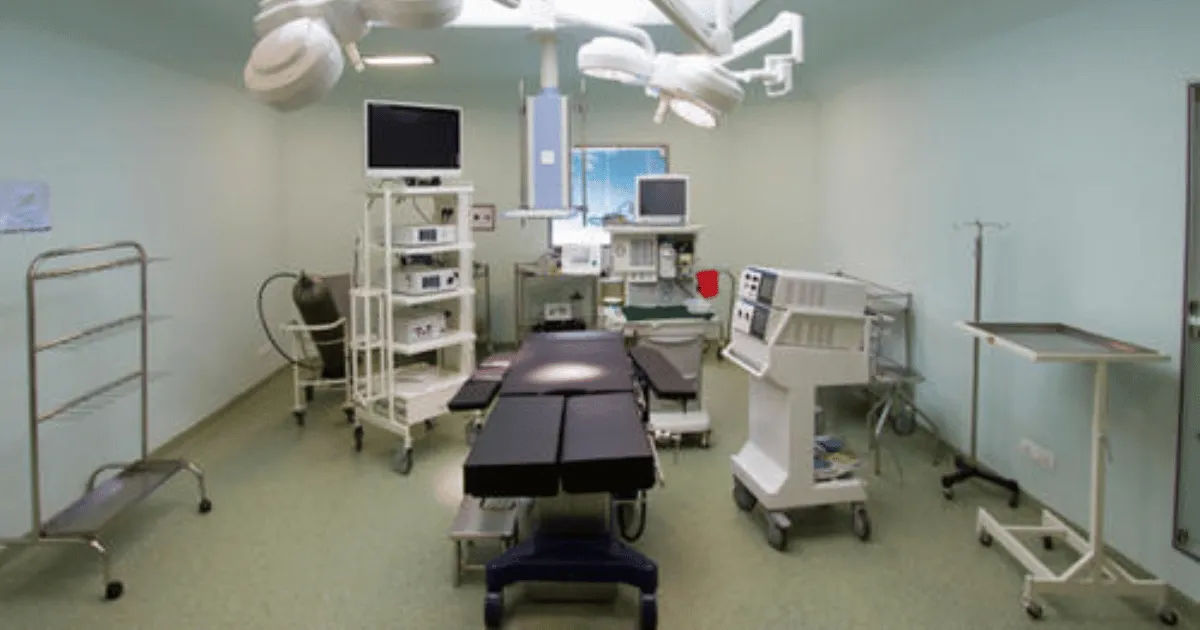
Unlike traditional operation theatres, modular operation theatres are specially designed spaces built with advanced materials, controlled air systems, and modern medical infrastructure. They help surgeons and medical teams perform surgeries in an environment where cleanliness, temperature, air quality, and safety can be carefully managed.
But who actually needs a modular operation theatre in Pakistan? Is it only suitable for large private hospitals, or can smaller healthcare facilities also benefit from this technology? This guide explains the different healthcare organizations that require modular operation theatres and why they are becoming an essential investment in Pakistan’s medical sector.
What Is a Modular Operation Theatre?
A modular operation theatre is a prefabricated surgical room designed according to international healthcare standards. Instead of building a conventional operating room from basic construction materials, modular theatres use factory-made panels, specialized flooring, ceiling systems, and advanced ventilation technology.
These theatres are designed to provide maximum control over the surgical environment. Every component, including wall panels, lighting systems, air filtration units, and electrical arrangements, is planned to support safe surgical procedures.
A modern modular operation theatre usually includes:
- Antibacterial wall and ceiling panels
- High-efficiency air filtration systems
- Controlled temperature and humidity
- Laminar airflow technology
- Specialized surgical lighting
- Medical gas pipeline systems
- Easy-to-clean surfaces
- Advanced electrical backup systems
These features make modular theatres highly suitable for hospitals where infection prevention and surgical precision are top priorities.
Why Are Modular Operation Theatres Needed in Pakistan?
Pakistan’s healthcare sector is expanding, with increasing demand for advanced medical facilities. Hospitals are performing more complicated procedures, including cardiac surgeries, orthopedic operations, transplant procedures, and cancer treatments.
Traditional operation theatres often face challenges such as poor airflow management, difficulty maintaining hygiene standards, and outdated infrastructure. These problems can increase the chances of hospital-acquired infections and affect patient recovery.
A Modular operation theatre in Pakistan provides a controlled surgical environment that helps healthcare providers overcome these challenges. It allows hospitals to upgrade their surgical facilities without completely rebuilding their existing infrastructure.
Large Private Hospitals Need Modular Operation Theatres
Large private hospitals are among the biggest users of modular operation theatres. These hospitals usually perform hundreds or thousands of surgeries every year and require advanced facilities to maintain patient safety.
A modular operation theatre helps private hospitals improve their reputation by offering internationally accepted surgical environments. Patients often prefer hospitals that provide modern healthcare technology because they associate advanced infrastructure with better treatment quality.
Private hospitals can use modular theatres for:
- General surgery departments
- Cardiac surgery units
- Neurosurgery departments
- Orthopedic surgery rooms
- Gynecology procedures
- Emergency surgeries
For hospitals competing in the healthcare market, investing in modern operation theatre technology can provide a major advantage.
Government Hospitals Can Benefit From Modular Operation Theatres
Government hospitals handle a large number of patients every day. Many public healthcare facilities in Pakistan operate with limited resources and older infrastructure.
Installing modular operation theatres can help government hospitals improve surgical capacity and patient safety. These theatres can be constructed faster compared to traditional operation rooms, allowing hospitals to expand their surgical departments more efficiently.
Government healthcare facilities can use modular theatres to:
- Increase the number of available operating rooms
- Reduce infection risks
- Upgrade outdated surgical areas
- Provide better facilities for emergency cases
- Improve overall healthcare quality
As healthcare demand continues to increase, modular solutions can support government hospitals in managing patient pressure.
Teaching Hospitals and Medical Universities Require Modular Theatres
Teaching hospitals play an important role in training future doctors and healthcare professionals. Medical students and surgical trainees need exposure to modern healthcare environments.
A Modular operation theatre in Pakistan allows teaching hospitals to provide students with practical experience in advanced surgical facilities. These theatres demonstrate how international healthcare standards are implemented in real surgical environments.
Medical universities can benefit because modular operation theatres provide:
- Better training opportunities
- Advanced surgical demonstrations
- Improved research environments
- Exposure to modern medical technology
By upgrading their facilities, teaching institutions can prepare healthcare professionals for future challenges.
Specialty Hospitals Need Modular Operation Theatres
Specialized hospitals that focus on specific treatments often require highly controlled surgical environments. These include cancer hospitals, cardiac centers, orthopedic hospitals, and transplant facilities.
Certain surgeries require extremely low infection risks and strict environmental control. A modular operation theatre provides the necessary conditions for these sensitive procedures.
Cardiac Hospitals
Heart surgeries require precision and a highly sterile environment. Modular theatres support cardiac procedures by maintaining controlled airflow and reducing contamination risks.
Cancer Treatment Centers
Cancer patients often have weakened immune systems. Maintaining a clean surgical environment is essential during procedures such as tumor removal and related treatments.
Orthopedic Hospitals
Joint replacement surgeries and complex bone procedures require excellent infection control. Modular theatres help create safer conditions for orthopedic operations.
Transplant Centers
Organ transplant procedures require exceptional hygiene because patients are vulnerable to infections after surgery. Modular operation theatres support these demanding medical requirements.
New Hospitals Should Consider Modular Operation Theatres During Construction
Hospitals that are being built from the ground up have a major opportunity to include modular operation theatres in their initial design.
Instead of creating traditional surgical rooms and upgrading them later, new hospitals can install advanced modular facilities from the beginning.
Benefits for new hospitals include:
- Better planning flexibility
- Faster installation
- Reduced future renovation costs
- Improved compliance with healthcare standards
- Long-term operational benefits
Including modular operation theatres in hospital planning helps create a future-ready healthcare facility.
Small and Medium Hospitals Can Also Use Modular Operation Theatres
Many people assume that only large hospitals need modular operation theatres, but smaller healthcare facilities can also benefit from them.
Private clinics and medium-sized hospitals performing surgical procedures need safe environments just like large hospitals. Modular systems allow these facilities to upgrade their surgical rooms without investing in complete building reconstruction.
Smaller hospitals can use modular operation theatres to:
- Expand surgical services
- Improve patient confidence
- Meet hygiene requirements
- Compete with larger healthcare providers
The availability of customized modular solutions makes them suitable for healthcare facilities of different sizes.
Emergency and Temporary Healthcare Facilities Need Modular Solutions
Emergency situations, natural disasters, and healthcare expansions sometimes require quick installation of medical facilities.
Modular operation theatres can be installed faster than traditional construction methods, making them useful for temporary hospitals and emergency healthcare centers.
They can support:
- Disaster response facilities
- Military medical units
- Temporary surgical centers
- Remote healthcare projects
Their flexibility makes them valuable when healthcare infrastructure needs to be developed quickly.
Benefits of Modular Operation Theatres for Pakistani Healthcare Facilities
The increasing demand for modular healthcare infrastructure is connected to several important benefits.
Better Infection Control
One of the biggest advantages of modular operation theatres is improved infection prevention. Smooth surfaces, advanced filtration systems, and controlled airflow help reduce contamination risks.
Faster Installation
Traditional construction projects can take months or years. Modular theatres are manufactured and installed much faster, helping hospitals start operations sooner.
Improved Surgical Efficiency
A well-designed operation theatre allows medical teams to work more efficiently. Proper layouts, better lighting, and organized systems support smoother surgical procedures.
Easy Maintenance
Modular operation theatres are designed for easy cleaning and maintenance. Their specialized materials reduce the difficulty of maintaining hygiene standards.
Custom Design Options
Hospitals can customize modular theatres according to their surgical requirements, available space, and budget.
Factors to Consider Before Installing a Modular Operation Theatre
Healthcare organizations should carefully evaluate their requirements before choosing a modular operation theatre.
Important factors include:
Hospital Requirements
Hospitals should consider the number of surgeries performed, types of procedures, and future expansion plans.
Available Space
The available area should be evaluated to ensure proper installation of the modular structure and supporting systems.
Technology Requirements
Hospitals should select suitable ventilation systems, filtration technology, lighting, and medical equipment based on their needs.
Budget Planning
Although modular theatres require investment, hospitals should consider long-term benefits such as improved efficiency, reduced maintenance costs, and better patient outcomes.
The Future of Modular Operation Theatres in Pakistan
The healthcare industry in Pakistan is moving toward modernization. As hospitals focus more on patient safety and international healthcare standards, the demand for advanced surgical infrastructure is expected to increase.
A Modular operation theatre in Pakistan is not only a technological upgrade but also a long-term investment in healthcare quality. Hospitals that adopt these solutions can improve their surgical capabilities and provide safer treatment environments.
Future healthcare facilities are likely to combine advanced medical equipment with intelligent infrastructure. Modular operation theatres will continue playing an important role in creating efficient, safe, and modern hospitals.
Conclusion
A Modular operation theatre in Pakistan is needed by healthcare facilities that want to improve surgical safety, maintain better infection control, and provide high-quality medical services. From large private hospitals and government healthcare centers to specialty hospitals, teaching institutions, and smaller surgical facilities, modular theatres offer valuable benefits.
As patient expectations increase and healthcare standards continue to improve, hospitals must invest in solutions that support safer medical procedures. Modular operation theatres provide flexibility, faster installation, improved hygiene, and advanced surgical environments.
For healthcare providers looking toward the future, adopting modular operation theatre technology can help create better facilities, improve patient confidence, and support the growth of Pakistan’s healthcare system.