
Do affordable bail bonds need a cosigner?
When someone is arrested, arranging bail can become an urgent concern for their family and friends. Understanding the available options, financial responsibilities, and release requirements can help everyone make informed decisions during a stressful time. One common question people ask is whether a cosigner is necessary when working with a bail bond company. 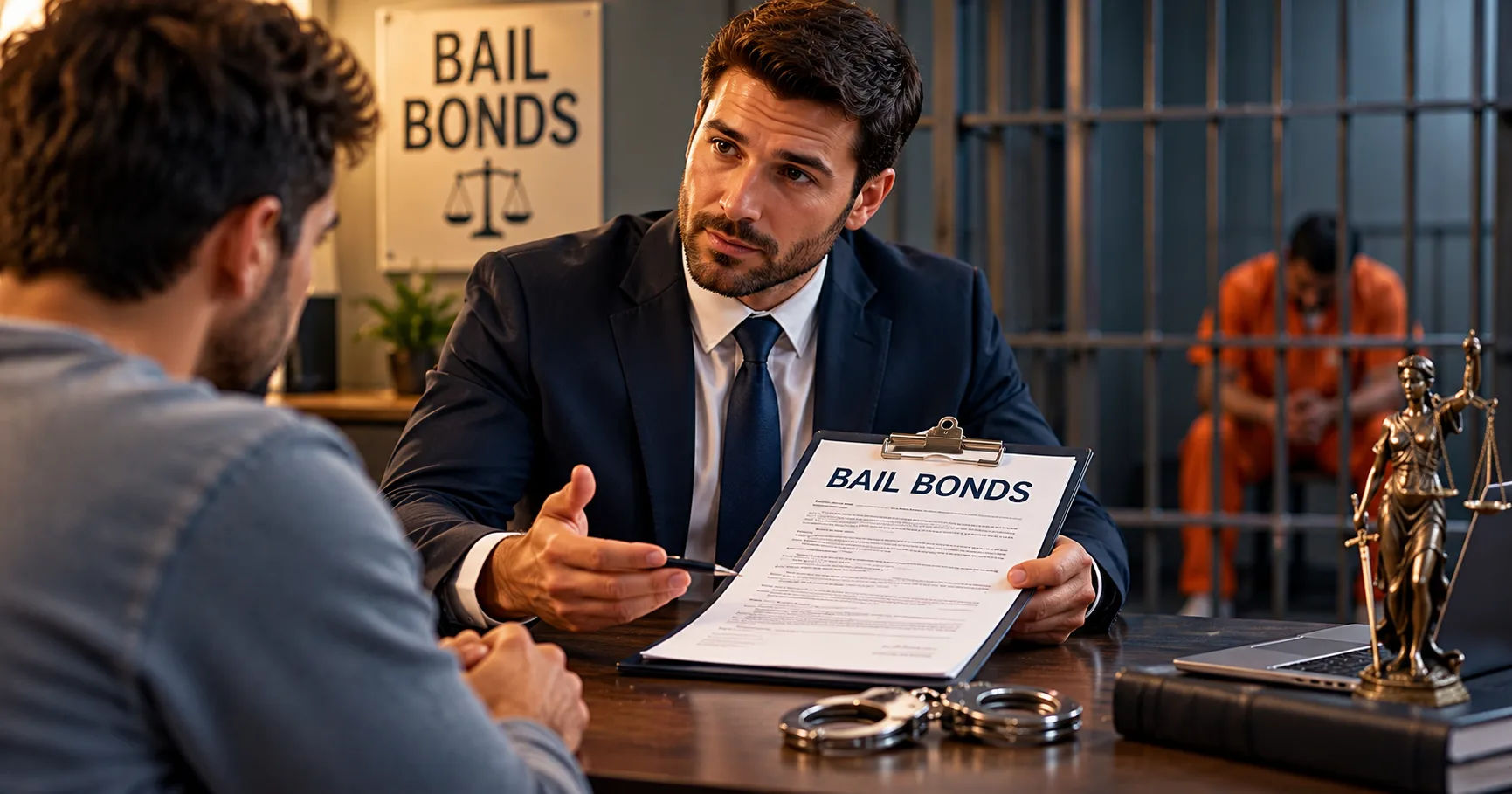 The answer depends on several factors, including the defendant's circumstances, the bail amount, and the bond company's policies.
Affordable bail bonds can help families manage the cost of securing someone's release from jail without paying the entire bail amount upfront. However, affordability does not automatically mean that a cosigner will be unnecessary. Bail bond companies evaluate financial risk before agreeing to issue a bond, and they may request another responsible person to support the agreement. Knowing how cosigning works can help defendants and their loved ones prepare for the process, understand their obligations, and avoid unexpected financial problems.
This comprehensive guide explains when a cosigner may be required, why bail bond companies request one, what responsibilities cosigners accept, and how defendants can explore their options when no cosigner is available.
How Affordable Bail Bonds Work
Bail is money or another form of security intended to help ensure that a defendant returns to court as required while their criminal case proceeds. A judge or authorized court official determines the applicable bail conditions according to the circumstances of the case and local law.
When bail is too expensive to pay directly, a defendant or family member may contact a licensed bail bond agent. The agent may agree to provide a surety bond to the court in exchange for a fee and any required collateral or financial guarantees.
The fee is generally a percentage of the total bail amount, although the applicable rate and permitted charges depend on the jurisdiction and the type of bond.
For example, if bail is set at $20,000 and a hypothetical bond premium is 10%, the premium would be $2,000. This example illustrates the calculation only; it does not establish a universal rate or guarantee that a particular company will offer those terms.
The premium generally pays for the bonding service and is not the same as a refundable deposit. Depending on the agreement and applicable law, collateral or other payments may be subject to different rules.
Affordable bail bonds can make release financially more accessible, but applicants should still review the total cost and contractual obligations before signing an agreement.
Do Affordable Bail Bonds Require a Cosigner?
The Short Answer
No, a cosigner is not always required. Some defendants may qualify for a bail bond based on their own financial circumstances, employment, residence, and ability to meet the agreement's requirements.
However, other applicants may need a cosigner because the bail bond company considers the financial risk too high without additional support.
A cosigner is also commonly called an indemnitor. This person agrees to accept certain financial responsibilities associated with the bond, subject to the contract and applicable law.
The important distinction is that affordability and eligibility are separate issues. A company may offer a reasonably priced bond but still require a cosigner before approving the application.
Why Requirements Differ Between Applicants
Bail bond companies do not necessarily apply identical requirements to every customer. Their decisions may depend on the amount of bail, the defendant's history of attending court, available financial resources, and the likelihood that the defendant will comply with release conditions.
A relatively small bond may involve less financial exposure than a much larger one. Similarly, an applicant with stable employment and a reliable residence may present a different risk profile from someone with limited financial resources or an uncertain living situation.
Each company may also have its own underwriting procedures, subject to applicable regulations. Therefore, applicants should ask directly whether a cosigner is mandatory or whether another arrangement may be considered.
What Is a Cosigner for a Bail Bond?
A cosigner is a person who agrees to support a bail bond contract financially. The cosigner is often a relative, spouse, close friend, or another trusted individual who understands the defendant's circumstances.
The cosigner does not automatically become a defendant in the criminal case simply by signing the bail bond agreement. Instead, their responsibilities arise from the contract they sign and the applicable legal requirements.
Common Responsibilities of a Cosigner
A cosigner may agree to:
-
Pay the required premium or help arrange its payment.
-
Accept financial responsibility for specified losses or expenses if the defendant fails to comply with the bond agreement.
-
Help the defendant remember court dates and other relevant obligations.
-
Maintain communication with the defendant and the bail bond company.
-
Provide collateral or financial documentation if required by the agreement.
The precise obligations vary. A cosigner should never assume that their responsibility is limited to helping with the initial payment.
Before signing, the person should request a complete explanation of the contract, including the circumstances under which additional charges, recovery expenses, or other liabilities could arise.
Does a Cosigner Need Good Credit?
Not every bail bond company uses the same credit requirements. Some may consider credit history, while others may focus more heavily on income, employment, available assets, and the applicant's overall financial stability.
A person with limited credit history may still be considered if they can demonstrate sufficient financial reliability. Conversely, someone with a strong credit score may not qualify if other important requirements are not met.
The best approach is to ask the company which documents and financial qualifications it actually considers.
Why Do Bail Bond Companies Ask for a Cosigner?
Reducing Financial Risk
When a bail bond company guarantees a defendant's appearance in court, it accepts a financial obligation under the bond. If the defendant fails to appear and the bond is forfeited, the company may face a substantial loss, subject to applicable law and the circumstances of the case.
A cosigner can provide an additional source of financial assurance. This may make the company more comfortable approving a bond that it would otherwise consider too risky.
Demonstrating Personal Accountability
A cosigner may also help establish a stronger support system for the defendant. Someone who maintains regular contact with the defendant may help ensure that court dates are remembered and legal obligations are taken seriously.
However, a cosigner cannot guarantee that a defendant will attend every hearing. The defendant remains responsible for complying with court orders and release conditions.
Supporting a Larger Bail Amount
The higher the bail amount, the greater the potential financial exposure associated with the bond. As a result, a company may request a cosigner or additional security for a large bond even when it does not require one for smaller amounts.
The decision depends on the company's underwriting standards and the individual application.
What Factors Determine Whether a Cosigner Is Required?
Several considerations may influence whether an applicant can obtain a bond without additional support.
1. The Bail Amount
The total bail amount is often an important factor. A larger bond may require stronger financial assurances because the potential consequences of forfeiture can be significant.
A lower amount may be easier to qualify for independently, although there is no universal threshold below which cosigners are never required.
2. Employment and Income
Stable employment can help demonstrate that an applicant or potential cosigner has a reliable source of income.
A bail bond company may request pay statements, employment details, or other documents to verify financial circumstances. Self-employed applicants may need to provide business records or other evidence of income.
Applicants should ask which documents are necessary rather than submitting unnecessary personal information.
3. Residence and Community Connections
A stable residence and established community connections may help demonstrate that a defendant has a consistent living situation.
The company may consider whether the defendant has reliable contact information and a practical way to receive reminders about court dates.
These factors do not determine whether someone is guilty or innocent. They are part of the company's assessment of whether the defendant is likely to comply with the bond requirements.
4. Previous Court Appearances
A history of attending court as required may support an application. Previous failures to appear, outstanding warrants, or other compliance concerns may lead to additional questions or stricter bonding requirements.
The significance of these circumstances depends on the individual case and the company's policies.
5. Collateral and Other Financial Guarantees
Collateral is property or another accepted asset pledged as security under a bond agreement. Depending on the company and jurisdiction, it may include certain real estate or other valuable property.
Providing acceptable collateral may affect whether a separate cosigner is needed. However, collateral creates its own financial risks and should not be offered without understanding the terms for its release or potential forfeiture.
6. The Defendant's Overall Circumstances
No single factor necessarily determines the outcome. A company may consider several circumstances together, including financial stability, the amount of bail, the nature of the bond, and the availability of responsible support.
Applicants should ask for an explanation of any additional requirements before making a decision.
Can You Get Affordable Bail Bonds Without a Cosigner?
Yes, it may be possible. The availability of a bond without a cosigner depends on the company, the defendant's circumstances, and local requirements.
Contact Several Licensed Bail Bond Companies
Different companies may assess applications differently. Contacting more than one licensed provider can help you understand which options are available.
Ask whether a cosigner is mandatory, what documentation is required, and whether the company considers applicants who cannot provide another person's financial guarantee.
Compare the total premium, payment arrangements, collateral requirements, and possible additional charges. A low advertised price does not necessarily mean that the entire agreement will be inexpensive.
Ask About Payment Arrangements
Some companies may offer permitted payment plans or other arrangements for eligible customers. These options can help families manage the initial expense without automatically involving another person.
However, payment plans may have eligibility requirements, additional costs, or specific deadlines. Request the terms in writing and confirm whether the arrangement changes the need for a cosigner.
Explore Release Options Through the Court
A commercial bail bond is not the only possible route to release in every case.
Depending on the jurisdiction and circumstances, a court may allow release on personal recognizance, supervised release, a reduced bail amount, or another legally available arrangement.
These options are not guaranteed. A defendant or their attorney can ask the court to consider the circumstances and explain which alternatives may be available.
What Happens If You Cannot Find a Cosigner?
Not having a cosigner can make the process more difficult, but it does not necessarily mean that release is impossible.
Ask Whether the Company Accepts Alternative Arrangements
Explain the situation honestly and ask whether the company can consider another form of financial assurance. Depending on its policies, it may evaluate the defendant's own financial resources, acceptable collateral, or other permitted arrangements.
Do not assume that a company will waive its requirements simply because the family cannot find someone to sign.
Speak With a Criminal Defense Attorney
An attorney can review the bail amount, explain the applicable release procedures, and determine whether a bail review or other court request may be appropriate.
If the defendant cannot afford private legal representation, they may qualify for a public defender or another form of court-appointed counsel, depending on local eligibility rules.
Legal advice can be especially valuable when the bail amount is high or the proposed bond agreement contains complicated financial conditions.
Avoid Unlicensed Providers
A company that promises immediate approval without explaining its fees or contractual obligations should be approached cautiously.
Verify licensing where required, request written documentation, and avoid signing blank forms. Never provide sensitive financial information to an unverified provider.
What Risks Does a Cosigner Face?
Cosigning a bail bond is a serious financial decision. It should not be treated as a simple favor without possible consequences.
Financial Liability
The contract may make the cosigner responsible for specified losses if the defendant fails to comply with the bond agreement. Depending on the contract and applicable law, liability may include forfeiture-related amounts or permitted recovery expenses.
The precise extent of responsibility depends on the agreement and the legal rules governing the bond.
Risk to Collateral
If a cosigner pledges property as collateral, that property may be at risk if the contractual conditions for forfeiture or enforcement are met.
Before pledging an asset, ask what circumstances could put it at risk and what steps are required to have the collateral released.
Relationship Strain
Money and legal difficulties can place pressure on family relationships and friendships. Disagreements may arise if the defendant misses a hearing, stops communicating, or does not follow the agreed conditions.
A cosigner should be confident that they understand the defendant's situation and can accept the potential consequences before agreeing to help.
Limited Ability to Withdraw
A cosigner generally cannot assume that they can cancel their responsibilities whenever they choose. The procedure for requesting release from the agreement depends on the contract, the company's policies, the bond's status, and applicable law.
Anyone considering withdrawing should contact the bail bond company and seek legal advice before taking action. They should not assume that simply notifying the defendant ends their obligations.
How to Choose a Reliable Bail Bond Company
Finding an affordable service involves more than comparing advertised premiums. A reliable provider should explain the process clearly and provide transparent written terms.
Verify Licensing and Reputation
Check the appropriate state or local licensing authority to determine whether the provider is authorized to operate. Review complaints and consumer feedback carefully, remembering that online reviews may not always tell the complete story.
Request a Full Explanation of Fees
Ask for the total premium, the payment schedule, any permitted administrative charges, and the conditions that may create additional financial responsibility.
Confirm whether payments are refundable under any circumstances. In many arrangements, the earned premium is not refunded simply because the case ends or the defendant attends court.
Review Every Contractual Term
Read the agreement before signing. Pay special attention to indemnification, collateral, payment obligations, court appearance requirements, and the conditions for releasing a cosigner or returning collateral.
If a clause is unclear, ask the company to explain it in writing. Consider consulting an attorney if the agreement creates a substantial financial risk.
Understand the Defendant's Court Obligations
A bail bond does not eliminate the defendant's duty to appear in court. The defendant must follow the court's instructions, attend required hearings, and comply with any release conditions.
A cosigner can provide support, but they cannot replace the defendant's personal responsibility.
Common Questions About Affordable Bail Bonds and Cosigners
Is a Cosigner Always Required for a Bail Bond?
No. Some defendants may qualify independently, while others may need a cosigner based on the bond amount, financial circumstances, and company policies.
Can a Family Member Cosign a Bail Bond?
A family member may be able to cosign if they meet the provider's requirements and understand the contractual obligations. The relationship alone does not guarantee approval.
Can Someone With No Job Cosign a Bond?
Possibly, but it depends on the company's requirements and the person's overall financial situation. A provider may request other evidence of financial reliability or acceptable collateral.
Does the Cosigner Have to Pay the Entire Bail Amount?
Not necessarily. The cosigner's obligations depend on the contract and what happens during the bond. However, serious financial liability may arise if the defendant fails to comply and the bond is forfeited.
Can a Cosigner Be Held Responsible if the Defendant Misses Court?
Potentially. The contract may expose the cosigner to specified financial liability if the defendant fails to appear and the bond is forfeited. The applicable law and facts of the case determine the consequences.
Can You Change Cosigners After the Bond Is Approved?
A change may be possible in certain circumstances, but it is not automatic. The bail bond company may need to approve a replacement, review the financial arrangements, and complete additional documentation. The original cosigner should not assume that their obligations have ended until the change is formally confirmed.
Are Affordable Bail Bonds Available With Bad Credit?
Possibly. Requirements vary by company, and credit history may be only one part of the evaluation. Applicants should ask what other financial documentation or arrangements may be accepted.
Conclusion
Whether affordable bail bonds require a cosigner depends on the defendant's financial circumstances, the bail amount, the bonding company's policies, and the requirements of the jurisdiction. Some applicants can obtain a bond independently, while others may need a cosigner to provide additional financial assurance.
A cosigner can help make a bond possible, but the role carries meaningful responsibilities. Depending on the agreement, the cosigner may face financial liability if the defendant fails to comply with court requirements or the bond is forfeited. Anyone considering cosigning should carefully review the contract, understand the risks to personal finances and collateral, and ask questions before signing.
If a cosigner is unavailable, applicants should not assume that they have run out of options. They can contact licensed bail bond providers, ask about permitted alternative arrangements, and consult a criminal defense attorney about possible court-based release options. Comparing the full cost and conditions of each option can help families make a more informed decision.
Ultimately, the goal is to find a lawful and financially manageable path forward while protecting the rights and responsibilities of everyone involved. By understanding the requirements, verifying the provider, and reviewing all contractual terms, defendants and their families can approach the bail process with greater confidence and fewer unexpected surprises.