
How to Choose the Right Coolant Recycling Equipment for Your Shop
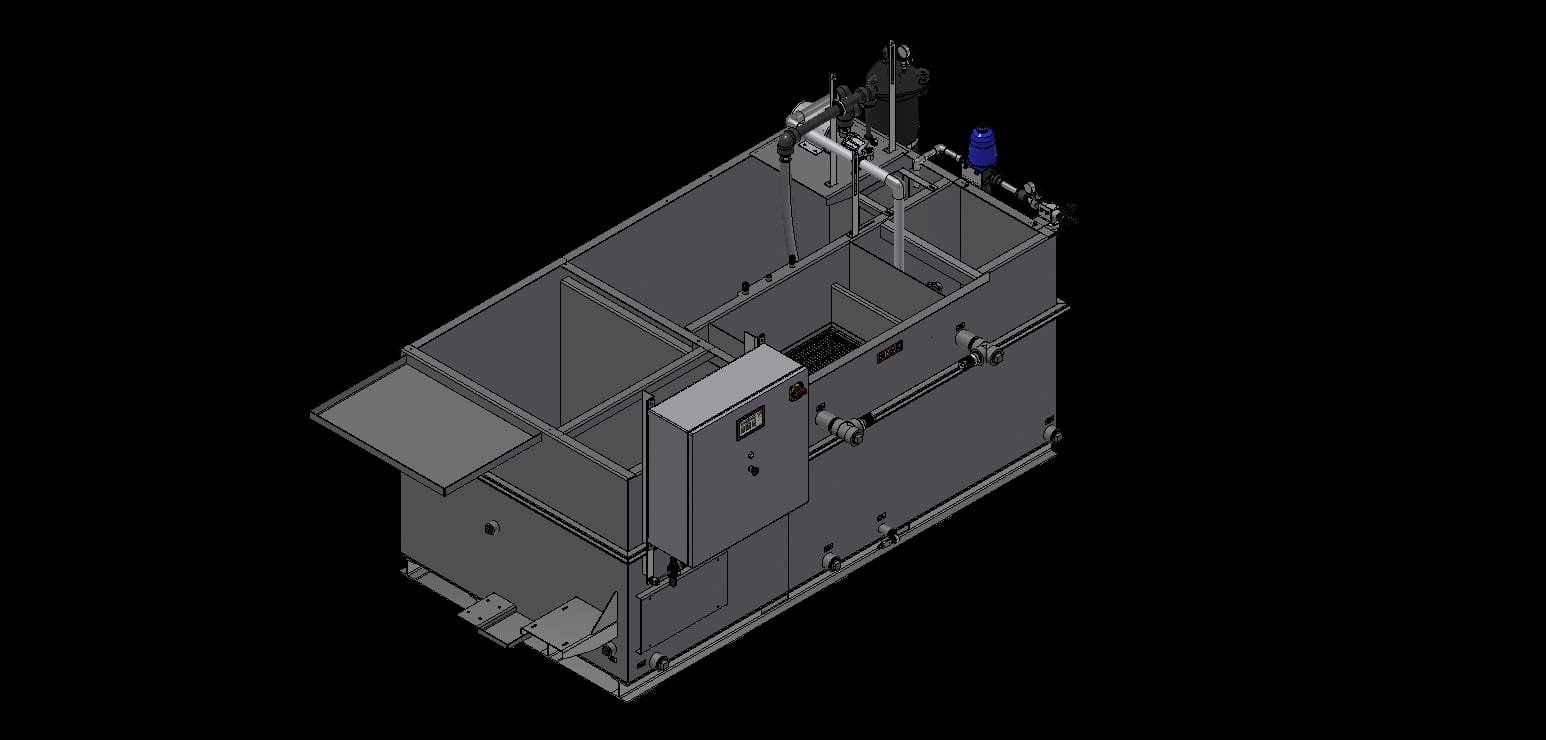
Coolant recycling isn't a single piece of equipment, it's a set of process stages that can be combined in different ways depending on what a shop's fluid actually needs. Choosing the right configuration starts with understanding what each stage does and which contamination problems are actually present in your coolant.
Start With What's Actually Contaminating Your Coolant
Before specifying equipment, it's worth understanding what's degrading coolant life in the first place. A fluid analysis, checking tramp oil percentage, bacterial count, particulate load, and concentration, will identify which of the three main contamination paths is the dominant problem. Shops fighting mostly tramp oil contamination need a different equipment configuration than shops dealing primarily with fine particulate or bacterial growth, even though the end goal, usable coolant, is the same.
The Core Equipment Categories
Tramp oil separators mechanically remove floating and dispersed oils using coalescing media and baffles, typically paying for themselves within six to nine months in shops with significant way lube or hydraulic contamination.
Magnetic separators pull ferrous chips and fines out of the fluid stream before they can damage downstream filtration equipment, and are particularly valuable in shops running heavy ferrous machining where ordinary filtration alone would clog quickly.
Paper bed filters offer a low-cost, low-maintenance way to remove particulate down to a few microns, extending both coolant and tool life without the complexity of a fully automated system.
Centrifuges separate solids from fluid using centrifugal force and are typically specified when fine particulate removal is critical to a shop's recycle and reuse goals, offering more thorough separation than passive filtration.
For shops dealing with all three contamination types at meaningful volume, a combined system like PRAB's Guardian Coolant Recycling System integrates filtration, tramp oil separation, and bacteria control into one centralized unit rather than requiring separate equipment purchases and separate maintenance routines for each stage.
Sizing the System to Your Actual Volume
Coolant recycling equipment is typically sized by flow rate, measured in gallons per minute, and getting this number right matters more than most other specification decisions. Undersized systems can't keep pace with a shop's contamination load and end up providing only partial benefit. Oversized systems represent unnecessary capital tied up in capacity that will never be used. PRAB's fluid filtration systems span from 10 GPM units suited to a handful of machines up to high-volume configurations handling several thousand GPM, which is enough range to match almost any shop's actual coolant volume rather than forcing a one-size-fits-all purchase.
Don't Overlook Modularity
Shops planning to add machines or expand production over the next several years should weigh modular system designs more heavily than fixed-capacity units, even if the upfront cost is similar. A modular system that can add filtration stages or flow capacity later avoids the more expensive alternative: replacing an undersized system entirely once production outgrows it.
Testing Before Committing
Because equipment selection depends so heavily on a shop's specific contamination profile, testing actual fluid samples before finalizing a purchase is worth the extra step. Many equipment manufacturers offer complimentary fluid testing programs precisely because performance on a specific shop's coolant, rather than a generic industry average, is what determines whether the equipment specification is actually right.
The Takeaway
The right coolant recycling equipment isn't the most advanced system available, it's the one matched to a shop's actual contamination profile and coolant volume. Starting with a fluid analysis rather than a product catalog leads to a better-specified system and a more accurate return on investment.