
Is Framed Vertical Artwork Right for Every Room?
Framed vertical artwork has become a popular choice for homeowners, interior designers, and business owners who want to create elegant and visually appealing spaces. Unlike wide landscape pieces, vertical designs naturally draw the eye upward, making walls appear taller and rooms feel more open.
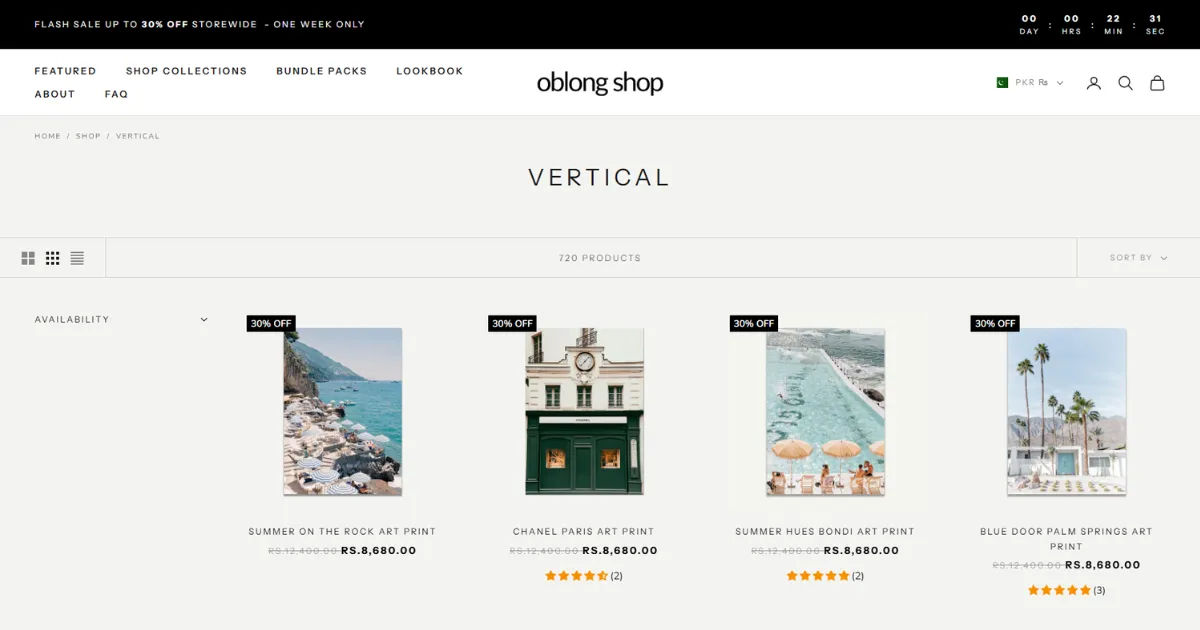
Whether you're decorating a cozy apartment, a modern office, or a spacious family home, choosing the right vertical artwork can completely transform the atmosphere.However, many people wonder whether framed vertical artwork works well in every room. The answer depends on several factors, including room size, ceiling height, furniture placement, lighting, and the overall interior style.
While this style of art offers many advantages, it isn't always the perfect solution for every space.This guide explores where framed vertical artwork works best, where it may be less effective, and how to select the perfect piece for every room in your home.
Framed Vertical Artwork
Framed vertical artwork refers to art pieces that are taller than they are wide. They may feature photography, paintings, abstract art, botanical illustrations, cityscapes, or minimalist designs displayed in portrait orientation.
Adding a quality frame enhances the artwork while protecting it from dust, moisture, and everyday wear. The frame also helps tie the artwork into the overall design of the room.
Many homeowners prefer framed vertical artwork because it fills narrow wall spaces beautifully while adding a sense of sophistication.
Why Vertical Artwork Has Become So Popular
Interior design trends continue to favor clean lines and balanced spaces. One reason vertical artwork has gained popularity is its ability to complement modern layouts.
Some major benefits include:
-
Makes ceilings appear taller
-
Fits narrow wall sections perfectly
-
Creates an elegant focal point
-
Complements modern and traditional interiors
-
Works well in galleries and layered wall displays
-
Adds movement and visual height
Its flexibility allows it to blend with many decorating styles, from Scandinavian and minimalist to farmhouse and contemporary.
Living Room: One of the Best Places for Vertical Artwork
The living room is often the largest gathering space in the home, making it an ideal location for framed vertical artwork.
Tall artwork placed beside a fireplace, next to a television, or above accent furniture helps balance the room without overwhelming it.
Large portrait-style paintings also work beautifully between windows or beside bookshelves.
When selecting artwork for the living room, consider colors that complement your furniture, rugs, and decorative accessories.
Can Vertical Artwork Work Above a Sofa?
Yes, but placement matters.
A single narrow piece may appear too small above a large sofa. Instead, consider:
Using Multiple Pieces
Two or three framed vertical artwork pieces arranged evenly can create a balanced gallery effect.
Choosing Oversized Artwork
A large portrait-oriented canvas may provide enough visual weight for bigger furniture.
The goal is maintaining proportion between the artwork and surrounding furnishings.
Bedroom Decoration with Vertical Artwork
Bedrooms benefit greatly from calming artwork.
Framed vertical artwork can be positioned:
-
Beside the bed
-
Above nightstands
-
Across from the bed
-
Near dressers
-
In reading corners
Soft landscapes, botanical prints, abstract textures, and peaceful photography create a relaxing atmosphere.
Avoid artwork with harsh colors if your goal is restful sleep.
Dining Room Design Ideas
Dining rooms often contain unused wall space that benefits from framed vertical artwork.
Tall artwork beside cabinets or buffets helps fill empty walls without making the room feel crowded.
Artwork featuring nature, wine themes, architecture, or modern abstracts works especially well in dining spaces.
Warm color palettes encourage an inviting dining environment.
Vertical Artwork in Entryways
Entryways create the first impression of your home.
Since these spaces are often narrow, vertical artwork naturally fits without overwhelming visitors.
Tall framed pieces beside mirrors, benches, or coat racks immediately create visual interest.
Good lighting enhances both the artwork and the welcoming atmosphere.
Hallways Are Perfect for Vertical Artwork
Long hallways often lack personality.
Installing framed vertical artwork at regular intervals creates rhythm and guides guests through the home.
Keeping consistent frame styles creates a polished appearance.
Mixing photography with paintings can also produce an interesting gallery effect.
Home Office Benefits
A productive workspace should feel inspiring.
Adding framed vertical artwork behind your desk or on adjacent walls introduces personality without causing distraction.
Professional photography, architectural prints, or motivational abstract pieces often work well in office environments.
Choosing calming colors helps maintain focus throughout the workday.
Bathroom Decorating Ideas
Bathrooms are becoming more stylish than ever.
Smaller framed vertical artwork fits nicely between mirrors, towel racks, and cabinets.
However, moisture-resistant framing materials are important in humid environments.
Water-inspired artwork, botanical prints, or minimalist designs often suit bathroom décor beautifully.
Kitchen Spaces
Many kitchens have limited wall space due to cabinets and appliances.
Fortunately, narrow areas between cabinets can become attractive display locations for framed vertical artwork.
Food illustrations, herbs, coffee themes, or colorful abstract prints add warmth without overwhelming the kitchen.
Ensure artwork remains away from direct heat or steam.
Staircases and Tall Walls
Staircases provide one of the best opportunities for large framed vertical artwork.
Tall walls can otherwise feel empty and unfinished.
A series of vertically aligned pieces following the angle of the stairs creates movement and visual continuity.
Large portrait-oriented artwork also emphasizes the height of open stairwells.
Small Rooms Can Benefit Too
Many people assume vertical artwork only belongs in spacious homes.
Actually, smaller rooms often gain the greatest advantage.
Since vertical designs draw attention upward, they help compact spaces feel taller and less confined.
Choosing lighter colors prevents the room from feeling visually heavy.
Large Rooms Need Proper Scale
Large rooms require artwork with enough presence.
Tiny framed vertical artwork may disappear against expansive walls.
Instead, consider:
Oversized Single Pieces
Large statement artwork immediately captures attention.
Grouped Arrangements
Several matching vertical pieces create a dramatic gallery wall.
Scale should always match the dimensions of the room.
Matching Interior Design Styles
Framed vertical artwork adapts well to many decorating themes.
Modern Homes
Choose abstract shapes, geometric patterns, and monochromatic palettes.
Traditional Interiors
Classic landscapes, portraits, and ornate frames work beautifully.
Farmhouse Style
Botanical illustrations and rustic wood frames complement farmhouse décor.
Minimalist Spaces
Simple black-and-white photography creates elegance without clutter.
Choosing the Right Frame
The frame affects both appearance and longevity.
Popular choices include:
-
Natural wood
-
Matte black
-
White finishes
-
Gold accents
-
Silver metallic styles
Simple frames complement contemporary interiors, while decorative frames suit traditional homes.
Size Matters
Artwork should always relate to wall dimensions.
General guidelines include:
-
Small walls suit medium artwork.
-
Large walls require larger pieces.
-
Narrow walls naturally fit portrait orientation.
-
High ceilings benefit from taller artwork.
Avoid artwork that appears either oversized or insignificant.
Color Coordination
The colors within framed vertical artwork should connect with existing décor.
Look for repeating shades found in:
-
Pillows
-
Rugs
-
Curtains
-
Furniture
-
Decorative accessories
This creates visual harmony throughout the room.
Lighting Makes a Difference
Proper lighting enhances artwork dramatically.
Natural daylight provides beautiful illumination during daytime hours.
At night, consider:
-
Picture lights
-
Wall sconces
-
Adjustable ceiling lighting
-
LED accent lighting
Avoid excessive glare directly on glass frames.
Common Mistakes to Avoid
Even beautiful artwork can lose its impact if displayed incorrectly.
Common mistakes include:
Hanging Too High
Artwork should generally remain near eye level.
Choosing the Wrong Size
Tiny artwork disappears on large walls.
Ignoring Room Style
Artwork should support the room's overall design.
Overcrowding Walls
Allow sufficient empty space around each framed piece.
Balanced placement improves visual appeal.
Is Vertical Artwork Always the Best Choice?
Not necessarily.
Some rooms naturally suit horizontal artwork better.
For example:
-
Wide walls above sectional sofas
-
Long dining room walls
-
Large entertainment centers
In these situations, landscape-oriented pieces may provide better balance.
Sometimes combining both vertical and horizontal artwork creates the most dynamic design.
Tips for Selecting the Perfect Piece
Before purchasing framed vertical artwork, ask yourself:
-
Where will it hang?
-
How much wall space is available?
-
What mood do you want?
-
Which colors already dominate the room?
-
Does the frame match nearby furniture?
-
Will lighting showcase the artwork effectively?
Answering these questions simplifies the selection process.
Conclusion
Framed vertical artwork is one of the most versatile decorating choices available today. Its portrait orientation naturally enhances ceiling height, fills narrow walls, and creates elegant focal points throughout the home. Living rooms, bedrooms, hallways, entryways, staircases, home offices, and even bathrooms can all benefit from carefully selected pieces that complement the surrounding décor.
However, no decorating solution works perfectly in every situation. Room proportions, furniture layout, lighting, and personal style all influence whether framed vertical artwork is the ideal choice. In some cases, oversized horizontal artwork or a combination of orientations may produce better visual balance.
The key is choosing artwork that matches both your space and your personality. When properly sized, thoughtfully framed, and carefully positioned, vertical artwork can transform ordinary walls into striking design features that enhance the beauty, comfort, and character of every room in your home.
