
RFID Cards and Contactless ID Verification
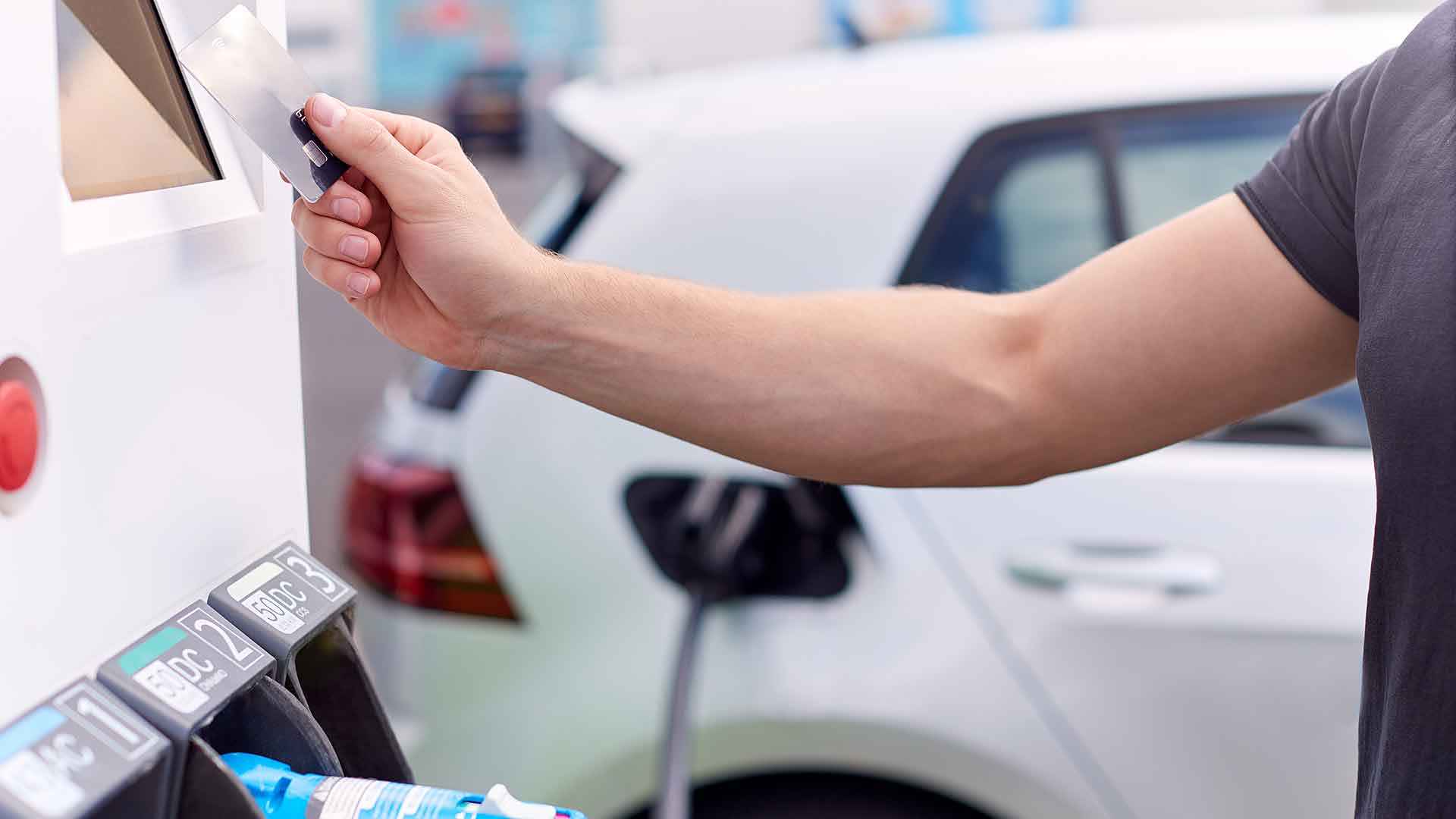
As you consider the various methods of identification and access control, you’re likely to come across RFID cards and their contactless ID verification capabilities. These cards have become increasingly prevalent in various industries, and for good reason. They offer a convenient, secure, and efficient way to manage access, track inventory, and facilitate transactions. But have you ever stopped to think about how they actually work, and what makes them so secure? From the underlying technology to the benefits and potential applications, there’s more to RFID cards than meets the eye – and it’s worth exploring further to understand their full potential.
How RFID Cards Work
Trigger the RFID card by holding it near a reader, and it springs into action, transmitting your identification information wirelessly.
This happens because the card contains a small microchip and an antenna, which work together to store and send your data. When you hold the card near a reader, it detects the radio frequency signals emitted by the reader and uses them to power up the microchip.
The microchip then retrieves your stored information and sends it back to the reader through the antenna.
The reader, connected to a computer or other device, receives the transmitted data and verifies your identity. This process happens quickly, often in a matter of seconds.
RFID cards can store various types of information, such as your name, employee ID, or access privileges. They’re commonly used for building access, payment systems, and other applications where secure identification is necessary.
With RFID cards, you don’t need to physically swipe or insert the card, making it a convenient and efficient way to authenticate your identity.
Benefits of Contactless ID
With RFID cards, you’re not limited by physical barriers, as you’d be with traditional swipe cards or inserted IDs. This means you can access secure areas, track inventory, or make payments without having to physically touch or insert anything.
The contactless nature of RFID ID cards also reduces wear and tear, making them more durable and longer-lasting.
You’ll also appreciate the convenience of RFID cards. They’re often faster than traditional methods, allowing you to quickly move through security checkpoints or complete transactions.
This can be especially beneficial in high-traffic areas or during peak hours.
Another significant advantage of contactless ID is the enhanced security it provides. Since RFID cards don’t require physical contact, they’re less prone to tampering or theft.
Additionally, many RFID cards use advanced encryption and authentication protocols to ensure that only authorized individuals can access sensitive information or areas.
Industries Using RFID Cards
As you explore the benefits of contactless ID, it’s clear that RFID cards offer a range of advantages.
One of the most significant benefits is their versatility, making them suitable for various industries.
You’ll find RFID cards being used in healthcare to track patient records, medication, and hospital assets. They’re also used in the hospitality industry to manage access control, track inventory, and enhance the guest experience.
In the education sector, RFID cards are used to monitor student attendance, track library books, and control access to restricted areas.
You’ll also find them in the corporate world, where they’re used for access control, time and attendance tracking, and secure printing.
The transportation industry uses RFID cards to manage toll payments, track vehicles, and monitor cargo.
Additionally, RFID cards are used in the retail industry for inventory management, supply chain tracking, and customer loyalty programs.
As you can see, the applications are endless, and RFID cards are becoming an essential tool for businesses looking to streamline their operations and improve efficiency.
Security Features of RFID
You’ll also appreciate the mutual authentication process, where both the card and reader verify each other’s authenticity before data exchange occurs.
This prevents unauthorized readers from accessing your card’s data. Additionally, RFID cards often use secure communication protocols, such as SSL or TLS, to encrypt data during transmission.
With these robust security features, you can trust that your RFID card will keep your information safe and secure.
Future of Contactless Verification
The robust security features of RFID cards have paved the way for the widespread adoption of contactless verification.
As you look to the future, you can expect to see even more advanced security features integrated into RFID technology. For instance, you’ll likely see the introduction of biometric authentication, such as fingerprint or facial recognition, to provide an additional layer of security.
You’ll also see the development of more sophisticated encryption methods to protect against hacking and data breaches. Furthermore, you can expect to see the increased use of blockchain technology to ensure the integrity of data stored on RFID cards.
This will provide an additional layer of security and transparency, making it virtually impossible for sensitive information to be altered or tampered with.
As contactless verification becomes more widespread, you’ll likely see a shift towards more personalized and seamless experiences.
For example, you might see the use of RFID-enabled wearables, such as smartwatches or fitness trackers, to provide convenient and secure authentication.
Conclusion
You’ve seen how RFID cards have transformed contactless ID verification, making it more convenient and secure. From granting access to restricted areas to tracking inventory, these cards have proven their worth. With advanced security features and encryption, they’ve reduced tampering and theft risks. As you look to the future, it’s clear that contactless verification is here to stay, and RFID cards will continue to play a vital role in shaping its development.