
What Does Stitching Reveal About Leather Jackets?
When buying a leather jacket, most people focus on the leather, color, design, and overall appearance. However, one of the most useful details to examine is often overlooked: the stitching. On a well-made jacket such as a Pelle Pelle, stitching can reveal a great deal about construction quality, durability, fit, and craftsmanship.
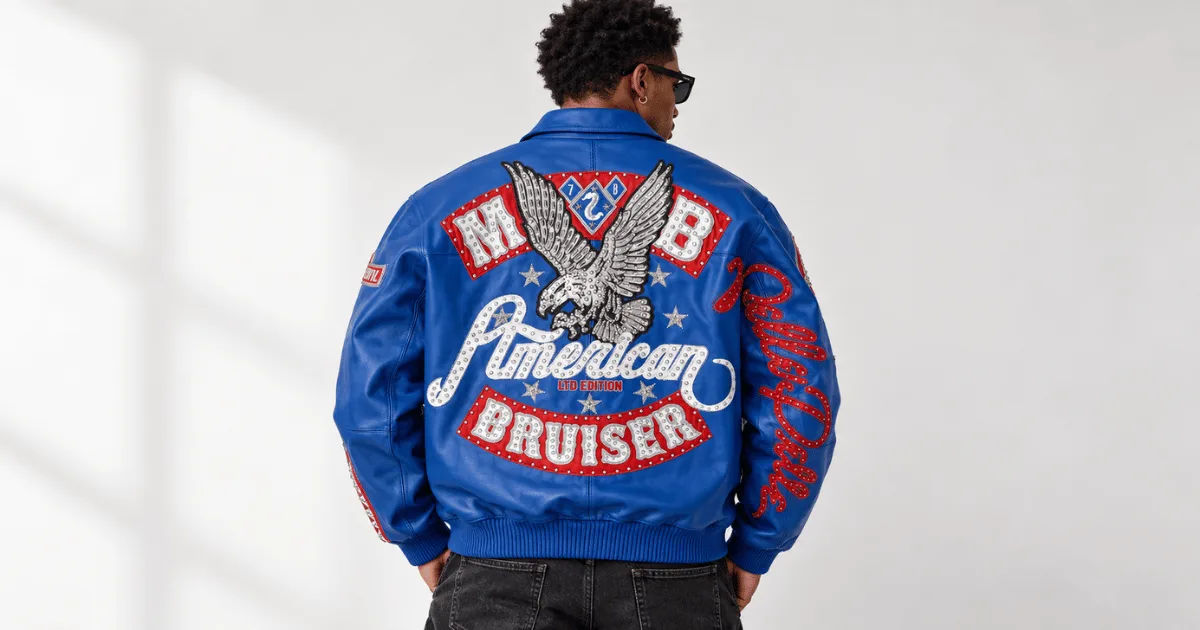
Stitching is not simply a decorative feature. It holds different sections of a jacket together and helps the garment maintain its shape during regular use. By examining the seams, thread, stitch spacing, and reinforcement points, buyers can learn whether a leather jacket has been carefully constructed or made with less attention to detail.
Understanding stitching is particularly helpful when comparing expensive leather jackets. A jacket may look impressive at first glance, but poor stitching can lead to loose seams, uneven panels, and premature damage. Learning what to look for makes it easier to recognize genuine quality.
Why Stitching Matters in a Leather Jacket
Leather is a strong and durable material, but it still requires proper construction. Unlike many lightweight fabrics, leather does not behave exactly like ordinary textile material. Once a needle creates a hole in leather, that opening can remain permanent.
For this reason, stitching must be planned carefully. If the stitches are too close together, they can weaken the leather around the seam. If they are too far apart, the seam may not provide enough support.
A quality leather jacket uses stitching that balances strength, flexibility, and appearance. This allows the jacket to handle everyday movement without putting excessive stress on individual seams.
In a premium jacket, stitching can also contribute to the overall visual character. Clean seams and consistent threadwork give the garment a polished appearance.
What Stitching Can Tell You About Quality
Consistency of the Stitches
One of the first things to examine is stitch consistency. Look at the seams from different angles and check whether the stitches appear evenly spaced.
High-quality construction generally features consistent stitch lengths and straight seam lines. Sudden changes in spacing, crooked rows, or irregular stitching may indicate rushed manufacturing.
On a carefully constructed Pelle Pelle jacket, stitching should complement the design rather than distract from it. The seams should look intentional and properly aligned.
Thread Quality
The thread used in a leather jacket plays an important role in durability. Strong thread is needed because leather garments are frequently exposed to pulling and movement.
Thread should appear securely attached to the leather. There should not be excessive loose ends, broken sections, or areas where the thread looks weak.
The color of the thread also matters. Some jackets use matching thread for a subtle appearance, while others use contrasting thread as part of the design.
Neither approach automatically means higher quality. What matters most is whether the thread is strong, secure, and appropriate for the construction.
Straight and Properly Aligned Seams
Seam alignment provides another useful clue. Examine areas such as the shoulders, sleeves, side panels, pockets, and collar.
Poorly aligned seams can make a jacket look uneven when worn. They may also affect comfort and fit.
A well-constructed Pelle Pelle leather jacket demonstrates how stitching and panel alignment can work together. Properly positioned seams help maintain the intended shape of the garment.
Reinforced Stitching and High-Stress Areas
Not every part of a leather jacket experiences the same amount of pressure. Certain areas require additional reinforcement because they move frequently or support extra weight.
Shoulders
The shoulders experience stress whenever you move your arms. A weak shoulder seam can eventually stretch or separate.
Strong stitching in this area helps the jacket maintain its structure.
Sleeves
Sleeves require flexibility because the arms are constantly moving. The stitching must therefore be durable without making the sleeve unnecessarily stiff.
Check the seams around the armholes and along the sleeve construction. These areas should feel secure when the jacket is moved naturally.
Pockets
Pockets are another important area. People frequently place their hands, phones, wallets, or other objects inside them.
A poorly stitched pocket can pull away from the jacket over time. Reinforced stitching around pocket openings can help prevent this type of damage.
On a detailed Pelle Pelle design, pocket construction may also contribute to the jacket's visual appeal while providing functional strength.
Stitch Density and Leather Durability
The number of stitches used along a particular length of seam can affect the strength and appearance of the garment.
A very low stitch density may leave the seam vulnerable to pulling. On the other hand, excessive stitching can create too many holes in the leather.
Good construction uses an appropriate stitch density for the thickness and type of leather.
This is why simply counting stitches is not enough. Buyers should consider stitch spacing together with leather thickness, thread strength, seam placement, and the intended purpose of the jacket.
Single and Double Stitching
Different parts of a leather jacket may use different stitching techniques.
Single stitching can provide a clean and simple appearance. It may be suitable for areas that do not experience extreme stress.
Double stitching provides additional reinforcement. It is often useful around high-stress sections where additional strength is desirable.
Some jackets combine both approaches. The construction method depends on the design, leather, and intended use.
When inspecting a Pelle Pelle jacket, look at how different seams have been constructed rather than assuming that more stitching automatically means better quality.
Decorative Stitching Versus Functional Stitching
Stitching does not always exist only to hold the jacket together. In many leather jackets, it is also an important design element.
Decorative stitching can create patterns, outlines, symbols, borders, or visual accents. It can make a jacket look more distinctive without changing its basic construction.
However, decorative stitching should not be confused with structural stitching.
A beautiful pattern does not necessarily mean the jacket has strong seams. Buyers should inspect both the decorative details and the construction underneath them.
For example, a Pelle Pelle jacket may include elaborate stitching that contributes to its recognizable style. The quality of that detail can be appreciated separately from the stitching responsible for holding major leather panels together.
What Uneven Stitching May Reveal
Uneven stitching is not always proof that a jacket is poor quality. Handmade garments can contain small variations, and some styles intentionally use irregular details.
However, major inconsistencies deserve attention.
Look for stitches that suddenly become loose, seams that curve unexpectedly, thread that changes thickness, or sections where the stitching appears unfinished.
If several problems appear throughout the garment, they may suggest weaker quality control.
A single minor imperfection is different from repeated construction problems.
Examining the Inside of the Jacket
Many buyers inspect only the outside. The interior can reveal even more about construction.
Turn the jacket inside out when possible and examine the internal seams. Look for loose threads, unfinished edges, exposed stitching, and areas where the lining has been poorly attached.
The interior does not need to look perfectly decorative. What matters is whether it appears secure and properly finished.
A quality Pelle Pelle jacket should show attention to construction both inside and outside. Internal finishing can also affect comfort because rough or poorly secured seams may rub against clothing or skin.
Stitching and Jacket Fit
Stitching can also influence how a leather jacket fits.
The placement of seams determines how different panels come together around the shoulders, chest, waist, and arms. If these seams are poorly positioned, the jacket may feel restrictive even when the measurements appear correct.
Good construction allows the leather to follow the body's natural movement.
When trying on a Pelle Pelle leather jacket, pay attention to how the seams behave when you raise your arms, bend your elbows, or move your shoulders. The jacket should provide a reasonable balance between structure and mobility.
How Stitching Changes With Leather Thickness
Leather comes in different thicknesses and types. The stitching technique must therefore match the material.
Thicker leather can require stronger equipment, suitable needles, and durable thread. Thin leather may require more careful handling because excessive stitching can damage the material.
The same stitching method may not work equally well for every leather type.
This is another reason why judging quality from appearance alone can be misleading. Professional construction requires the stitching process to be compatible with the material.
Hand Stitching and Machine Stitching
Leather jackets can be constructed using machine stitching, hand stitching, or a combination of methods.
Machine stitching allows manufacturers to achieve consistent results efficiently. It is common in modern leather garment production.
Hand stitching can involve more time and specialized craftsmanship. Certain handmade or highly detailed jackets may use hand-finishing techniques for particular sections.
Neither method automatically determines whether a jacket is high quality. The final result matters more than whether the stitching was performed by hand or machine.
A well-made Pelle Pelle jacket demonstrates that construction quality should be evaluated through the complete garment rather than one feature alone.
Stitching Around Zippers and Hardware
Zippers, snaps, buckles, and other hardware can place additional stress on leather.
The areas surrounding these components should be securely stitched. If the stitching around a zipper begins to loosen, the problem can spread because the zipper is repeatedly pulled during use.
Check zipper ends, pocket openings, cuffs, and other areas where hardware connects with leather.
Strong construction in these locations helps extend the useful life of the jacket.
Stitching as an Indicator of Authenticity
Stitching can sometimes help buyers identify whether a jacket appears consistent with its expected manufacturing quality, but it should not be treated as the only authentication method.
Counterfeit products may attempt to copy logos, labels, colors, and general designs. Details such as stitching quality, panel construction, lining, hardware, labels, and materials should therefore be considered together.
If you are examining a Pelle Pelle jacket and authenticity is important, compare multiple construction details rather than relying on a single seam or thread pattern.
Purchasing from a reputable seller is generally a safer approach than trying to authenticate a product from stitching alone.
Common Stitching Problems to Watch For
Loose Threads
Loose thread ends are among the easiest problems to notice. A few minor ends may be harmless, but numerous loose threads can indicate poor finishing.
Broken Stitches
Broken stitches deserve closer attention, particularly around shoulders, pockets, sleeves, and zippers. These areas experience regular movement and stress.
Uneven Seam Lines
Seams should generally follow the intended shape of the jacket. Large deviations may affect both appearance and fit.
Pulled Leather
If leather around a stitch line appears stretched, puckered, or distorted, the seam may be experiencing excessive tension.
Missing Stitches
A section of missing stitching can weaken a seam and allow it to open further with use. Such problems should be repaired before they become larger.
How to Maintain Leather Jacket Stitching
Proper care can help preserve stitching for many years.
Avoid pulling aggressively on pockets, zippers, and cuffs. When putting on or removing the jacket, use normal movements instead of forcing tight areas.
Store the jacket on a suitable broad hanger. This helps maintain its shape and reduces unnecessary stress around the shoulders.
Keep the jacket away from excessive moisture and direct heat. Leather can become damaged when exposed to harsh drying conditions.
If stitching becomes loose, address the issue early. A small repair is usually easier to manage than a seam that has completely separated.
Regularly inspecting your Pelle Pelle jacket can help you notice construction problems before they become serious.
Why Stitching Should Be Considered With Other Features
Stitching is an important indicator of leather jacket quality, but it is not the only one.
Leather quality, lining, hardware, pattern cutting, finishing, fit, and overall construction should all be evaluated.
A jacket can have excellent stitching but use poor-quality leather. Likewise, high-quality leather can be wasted by weak construction.
The best evaluation considers the entire garment.
Think of stitching as one piece of evidence. It can reveal how carefully the jacket was assembled, but it should be combined with other observations before making a purchasing decision.
A Simple Stitching Inspection Checklist
When examining a leather jacket, take a few minutes to inspect the main seams.
Start with the shoulders and sleeves. Then check the side seams, collar, cuffs, pockets, and zipper areas.
Look for consistent stitches, secure thread, clean seam lines, and appropriate reinforcement.
Next, examine the interior. Check whether the lining is securely attached and whether major seams appear properly finished.
Finally, move the jacket naturally. Bend your arms and shoulders and see whether the seams remain comfortable and secure.
This simple inspection can provide valuable information without requiring specialized knowledge.
Conclusion
Stitching reveals much more about a leather jacket than many shoppers realize. It provides clues about craftsmanship, durability, construction, fit, and finishing quality.
Consistent stitches, strong thread, secure seams, appropriate reinforcement, and clean internal finishing are all positive signs. Problems such as repeated loose threads, broken stitches, uneven seams, and poorly secured hardware should encourage closer inspection.
A jacket such as Pelle Pelle can be appreciated not only for its leather and distinctive styling but also for the construction details that help bring the design together. Examining stitching allows buyers to understand how the garment has been assembled instead of judging it solely by its appearance.
The most important lesson is that no single stitching feature should determine your decision. Stitch spacing, thread quality, seam placement, leather thickness, reinforcement, lining, hardware, and fit all work together.
When these elements are carefully balanced, the result is a leather jacket that looks good and performs well over time.
Ultimately, stitching acts like a hidden record of craftsmanship. It shows where strength has been added, how panels have been joined, and how much attention has been given to the finishing process. Once you learn how to read these details, you can inspect leather jackets with much greater confidence and make more informed purchasing decisions.
.webp)
